Purple Heys!

Kangaeroo Corner is welcoming the slow onset of spring with a little shock of violet offering greetings and warmth in more ways than one.

At the moment, our garden’s most prominent flowers are some hardenbergia creeping up a frame and showing off a bright shade of purple and specks of white.

The tiny blossoms are adorable, but they’re also bringing me the wholehearted joy of being the first-ever flowers I have grown by myself from seed.
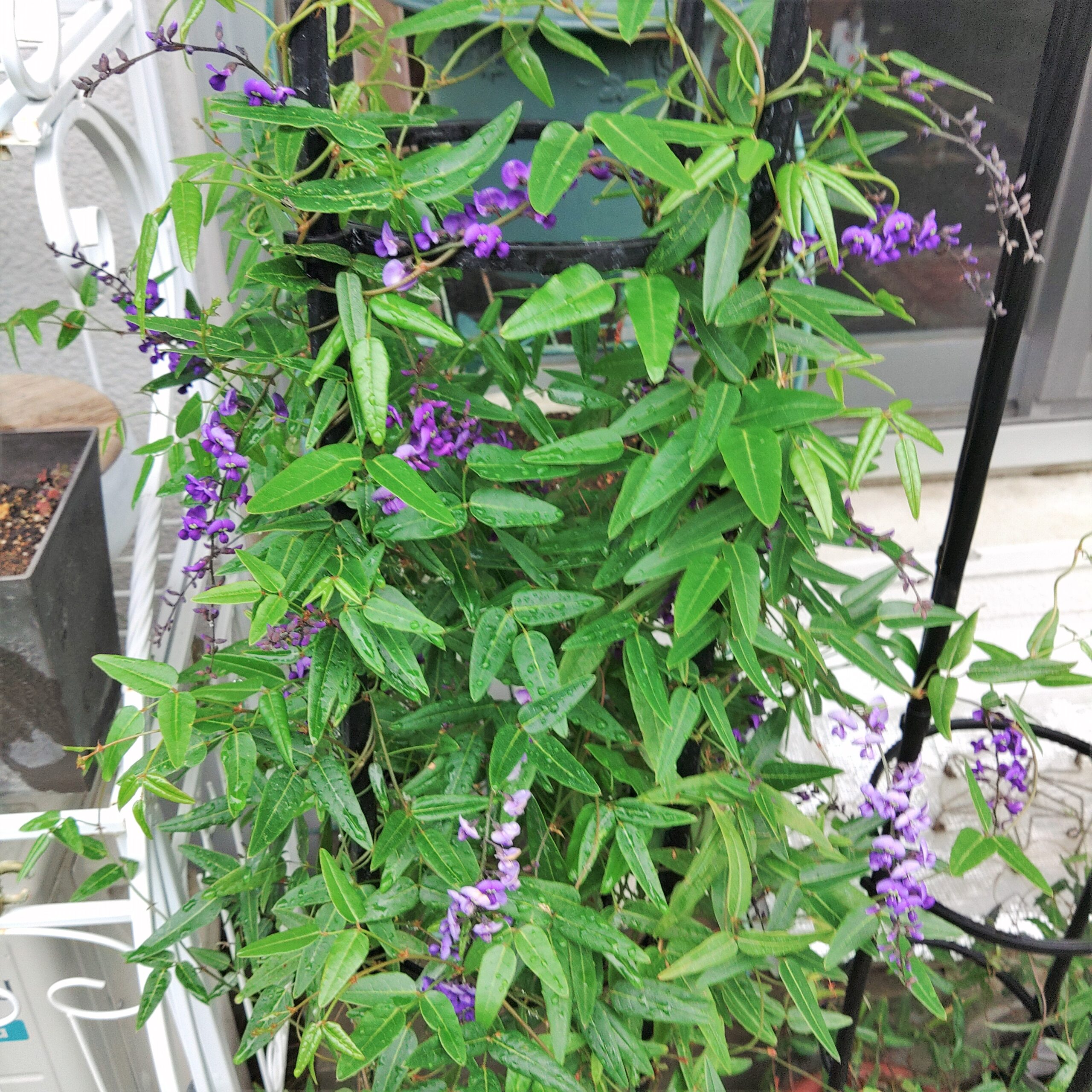
I’m somewhat amazed by how much effect their appearance has had on me, which is perhaps a little over-exaggerated, but it is what I’m feeling anyway. It’s a mild sense of accomplishment and adds some color to my activities, which have tended to be carried out in a gray cloud for quite a long time now.

I never knew these (or many other) plants in Australia, but am delighted now to get to know and appreciate what’s often referred to as the Australian native wisteria.

Cop A Gander At These Rippers Too...

  • |

    豪キャブラリー: Drongo

    Drongoは典型的なオージー英語だ。一昔前までよく使われた言葉だったがこの数十年間イギリスやアメリカ英語などの普及により死語に近いような形になっている。おっちょこちょい見たいな軽い意味の小馬鹿したことをやった人に対して使う言葉だ。ちょっと可愛いイメージを与えてくれる、特に軽蔑する言い方がほぼ普通となっている今では。

  • Mean and Green

    After a few months of being jealous of my neighbors for enabling their lawns to evade the effects of the blistering hot summer, I woke this morning to find myself transforming from being green with envy to being verdant with chlorophyll! Kangaeroo Corner’s lawn, which started May in a generally strong state albeit being slightly patchy, took a drastic turn for the worst in early June. At what should have been the onset of the rainy season, I made the mistake of heavily fertilizing the warn to boost its strength for what I expected would be a hot and wet period ahead. I was only half right: we got the…

  • ボーガニズムとオーストラリアの階級システム

    実はこのテーマ、ボーガン文化の中でもいちばん“深いところ”にある。 オーストラリアは昔から、 「金持ちも労働者も、パブで同じテーブルに座ってビールを飲む国」 という“平等主義の国民イメージ”を大事にしてきた。 そのせいで、オーストラリア人は歴史的に 階級の話をストレートにするのが苦手。 そこで登場するのが—— ボーガンという便利な裏口。 ■ 階級を言わずに階級を語る魔法の言葉 本来ならこう言うべき場面で、 「あの人、労働者階級だよね。」 と言わずに、 「ちょっとボーガンっぽいよね。」 と濁す。 本来ならこう言うべき場面で、 「あの人の文化的趣味、苦手なんだよね。」 と言わずに、 「あれ、めっちゃボーガンじゃん。」 と言い換える。 つまり、 ボーガンは“階級の代わりに使える文化ラベル”として機能してきた。 ■ ボーガンとヒップスターは階級の代理キャラ? 社会学者スティーブ・スレッドゴールドとジェシカ・ジェラードは、 ボーガンやヒップスターのようなキャラクターが オーストラリアの公共文化における“階級の代理”として働いている と指摘している。 という構図だ。 クリス・ギブソンの「ボーガンヴィル」研究でも、 ボーガンというラベルは 階級的なスティグマ(偏見)を生む一方で、 地域の誇りにも変わりうる という結果が出ている。 つまり、 “ボーガンと言われたコミュニティが、逆にその言葉を誇りとして受け入れる” という現象が起きるわけだ。 ■ ここに最高の矛盾がある ボーガンは侮辱として使われる。 「お前、文化的に未熟だよ。」 ボーガンは防御として使われる。 「だから何?」 ボーガンは自慢として使われる。 「むしろ誇りだし。」 ボーガンは国民的アイデンティティとして使われる。 「これが本物のオージーだろ。 たった4文字の侮辱語が、ここまで複雑で洗練された文化的進化を遂げるなんて、オーストラリアらしくて最高に面白い。

  • Earbashing/口うるさい

    earbashing Australian English To nag or talk incessantly. 日本語 口うるさい。口やかましい。ひっきりなしでしゃべる。べらべらでしゃべりまっくり。直訳すると「耳を大打撃する」という意味。 Plain English 1) Prattle on. 2) Jabber. 3) To persistently complain or criticize Strine Dictionary

  • |

    「やばいリンガル」Lurk (待ち伏せる)

     普通、米・英語ではlurkにはちょっと暗いイメージがあるが、オージー英語ではそれに加えてもっと軽い感じの意味もある。クリックすれば、どのように違うかが分かるよ。  To lurk implies something dark when normally used in English, but when it comes to Strine, being on a good lurk in Australia is not such a bad deal.

  • Walking Like An Egyptian…In Yokohama

    Blessed with a rare shared holiday for Marine Day, Mrs. Kangaeroo and I headed off to her much-loved Yokohama to enjoy a day of walking like Egyptians. We didn’t really walk like that, but I needed a snappy line for the blog title and lede, so that’s how it turned out. But there was a strong Egyptian flavor to the day, and not just from the blistering summer heat that pushed the temperature well into the deep 30-degrees Celsisus range. I’d woken in the morning full of guilt because during the wonderful garden party we’d held the previous day, for which Mrs. Kangaeroo had worked like a slave, old dunderhead…