50 Years of Friendship

  • |

    How Do Japanese Students Help Preserve Aussie Nature?

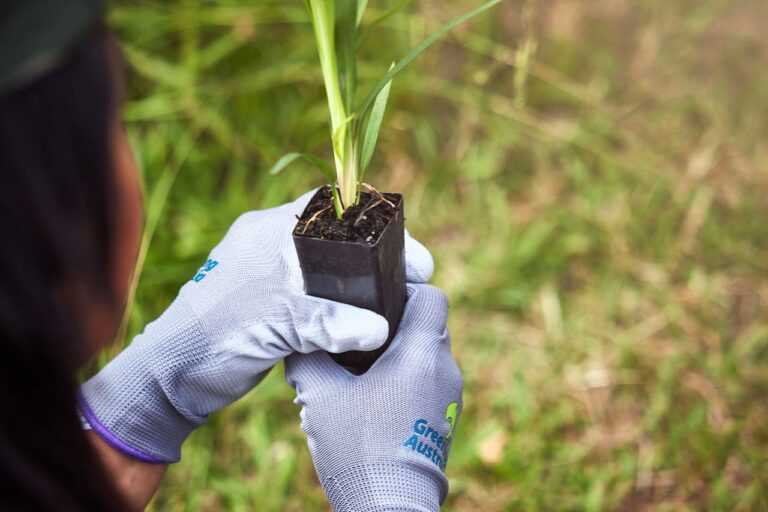
    日本人留学生はどのようにオーストラリアの自然保護を手伝うのか? Every autumn, groups of Japanese students trade classrooms for gum forests, beaches and wetlands. Their goal isn’t sightseeing. They’re helping protect Australia’s unique environment while discovering a different side of Aussie life. 毎年秋、多くの日本人留学生が教室を離れ、ユーカリの森や海岸、湿地で環境保全活動に参加しています。観光ではなく、オーストラリアの自然を守りながら、地域との新しい交流を育んでいるのです。 Learning Beyond the Classroom 教室の外で学ぶ Many Japanese students come to Australia to improve their English. Some discover that their most valuable lessons happen outdoors. Working alongside local volunteers, they remove weeds, plant native trees and restore wildlife habitat. 教室の外で学ぶ 日本人留学生の多くは英語を学ぶためにオーストラリアへやって来ます。 しかし、本当に印象に残る学びは教室の外で待っていることもあります。 地域の人々と一緒に外来植物を取り除き、在来樹木を植え、野生動物のすみかを守っています。 Friends Through Conservation 自然保護が結ぶ友情 Conservation projects bring together people who might never otherwise meet. Retired Aussies, school children, university students and overseas visitors all work towards the same goal. Conversation comes naturally when everyone…


  • |

    Why Do Japanese Volunteers Clean Aussie Parks?

    なぜ日本人ボランティアはオージーの公園を掃除するのか? Every March, while thousands of Aussies join Clean Up Australia Day, another familiar group quietly rolls up its sleeves. Across Sydney, Japanese volunteers have been helping clean parks and bushland for nearly two decades. It’s a small act that says a great deal about friendship. 毎年3月、オーストラリア最大級の環境ボランティア活動「クリーンアップ・オーストラリア」に、多くの日本人も参加しています。約20年にわたり続くその活動は、小さなごみ拾いを通して日豪の友情を育んできました。 An Early Sunday Tradition 日曜日の恒例行事 For many members of Sydney’s Japanese community, the first Sunday in March has become a tradition. Families, students, businesspeople and retirees gather with gloves and rubbish bags before spending the morning cleaning local parks. The work lasts only a few hours. The friendships last much longer. 日曜日の恒例行事 シドニーの日本人コミュニティでは、3月最初の日曜日が恒例行事になっています。 家族連れや学生、会社員、シニアまで、多くの人が軍手とごみ袋を手に集まり、公園や周辺の清掃活動を行います。 活動は数時間ですが、そこで生まれる交流は長く続きます。 Looking After Someone Else’s Home 「誰かの国」を自分の町として Many participants…

  • | |

    Why Do Japanese Baseball Teams Train in Australia?

    なぜ日本のプロ野球チームはオーストラリアでキャンプを行うのか? Every February and March, Japanese professional baseball teams head south instead of north. Why? The answer isn’t simply sunshine. Behind Australia’s growing role in Japanese baseball lies a story of friendship, trust and a shared love of the game. 毎年2月から3月にかけて、日本のプロ野球チームは北ではなく南へ向かいます。その理由は、暖かい気候だけではありません。オーストラリアでのキャンプには、野球を通じて育まれた日豪の友情と信頼の物語があります。 More Than Sunshine 暖かさだけではない When winter grips Japan, Australia is enjoying late summer. That makes it an ideal place for pre-season training. But sunshine alone doesn’t explain why Japanese teams keep returning. They come because Australia offers first-class facilities, quality opposition and communities that welcome them year after year. 暖かさだけではない 日本が冬を迎える頃、オーストラリアは夏の終わりです。 そのため、春季キャンプには最適な環境となります。 しかし、日本の球団が何度も訪れる理由は気候だけではありません。 充実した施設、実戦相手、そして温かく迎えてくれる地域の人々がいるからです。 Building Baseball Friendships 野球がつないだ友情 Training camps create more than fit players. They create friendships. Local…

  • | |

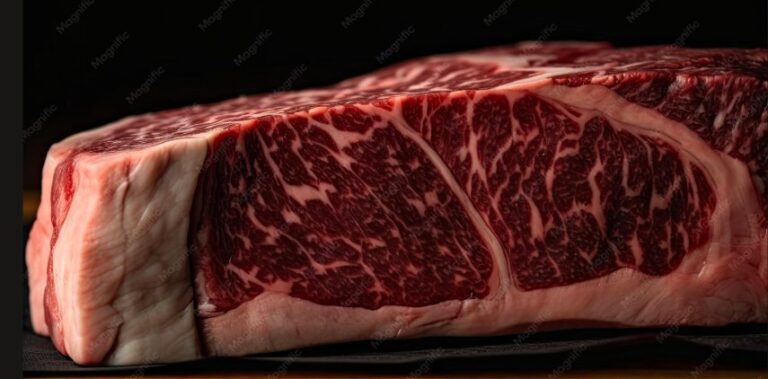
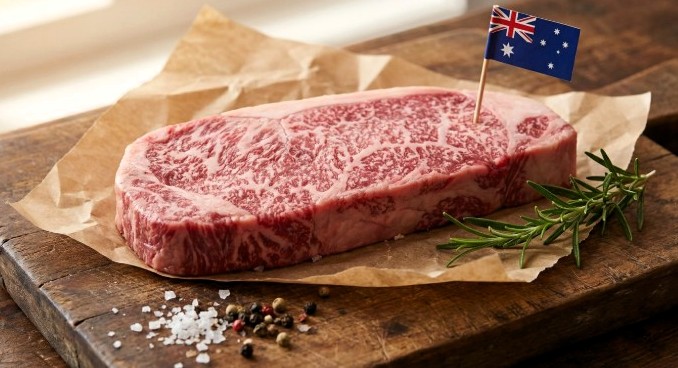
    What Does Wagyu Tell Us About Australia–Japan Cooperation?

    和牛が教えてくれる日豪協力とは? Australia’s wagyu industry is about much more than premium beef. It is the product of decades of trust, shared knowledge and cooperation between Japanese and Aussie producers. In many ways, wagyu has become a symbol of one of the world’s most successful agricultural partnerships. オーストラリアの和牛産業は、高級牛肉を生産するだけのものではありません。その背景には、日本とオージーの生産者が長年にわたって築いてきた信頼と技術交流があります。和牛は、日豪協力を象徴する存在となっているのです。 More Than an Industry 畜産を超えた物語 The success of Aussie wagyu cannot be measured only by export figures or restaurant menus. Its real achievement lies in the partnership that made it possible. Over several decades, producers in Australia and Japan built relationships based on mutual respect, patience and a willingness to learn from one another. 畜産を超えた物語 オーストラリア産和牛の成功は、輸出額やレストランの数だけでは語れません。 本当の成果は、それを支えてきた日豪の協力関係にあります。 何十年にもわたり、生産者たちは互いを尊重し、学び合いながら信頼を築いてきました。 Sharing Knowledge 知識を分かち合う Japanese breeders spent…

  • | |

    Why Did Aussie Farmers Invest In Japanese Genetics?

    なぜオージーの畜産家は日本の和牛遺伝資源に投資したのか? When Australia’s cattle industry discovered the extraordinary qualities of Japanese wagyu, success was anything but guaranteed. A small group of pioneering Aussie breeders took enormous risks, investing in bloodlines from the other side of the world. Their gamble helped create one of Australia’s most remarkable agricultural success stories. オーストラリアの畜産業が日本の和牛に注目した当時、その成功は決して約束されていませんでした。遠く日本の和牛遺伝資源に投資した少数のオージー畜産家たちの挑戦が、やがて世界的な成功へとつながっていきます。 A Leap Into the Unknown 未知への挑戦 In the early 1990s, premium beef was becoming increasingly important in international markets. While Australia already exported large volumes of beef, a handful of producers believed there was room for something exceptional. Japanese wagyu stood apart from every other breed they had studied. Its extraordinary marbling, eating quality and long-established reputation convinced them that…

  • | |

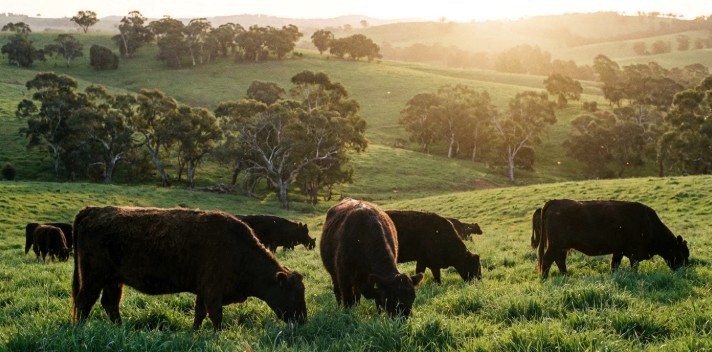
    How Did Wagyu Become An Aussie Success Story?

    和牛はどのようにオーストラリアで成功を収めたのか? Australia is now one of the world’s largest producers of wagyu beef, but few people know that its success began with a remarkable partnership between Japanese genetics and Aussie cattle producers. This is the story of how trust, science and shared ambition created one of the world’s great agricultural success stories. 現在、オーストラリアは世界有数の和牛生産国です。しかし、その成功が日本の和牛遺伝資源とオージーの畜産家たちとの協力から始まったことは、あまり知られていません。信頼と技術、そして共通の志が生み出した日豪農業協力の物語です。 A Japanese Treasure Finds a New Home 日本の宝が南半球へ For centuries, wagyu cattle were raised almost exclusively in Japan. Their unique genetics produced the exceptional marbling that made Japanese beef famous throughout the world. 和牛は何世紀もの間、日本だけで大切に改良・飼育されてきました。その優れた遺伝資源は、美しい霜降り肉を生み出し、日本を代表する食文化の一つとなりました。 Until the late twentieth century, very few wagyu cattle or their genetics left Japan. 20世紀後半まで、生きた和牛やその遺伝資源が海外へ渡ることは、ほとんどありませんでした。 Everything changed when Aussie cattle producers recognised the…

  • |

    How Did Former Enemies Become Partners in Remembrance?

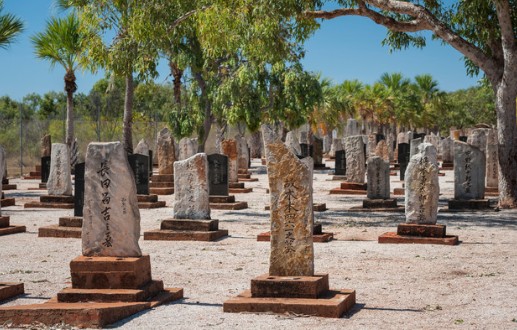
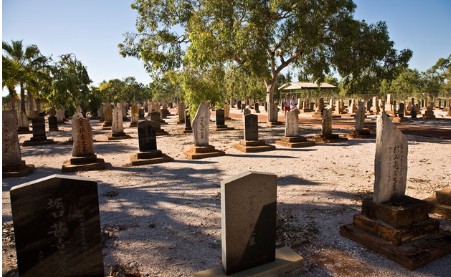
    敵国だった日豪は、どのように共に追悼する関係になったのか? In Why Does Australia Have So Many Japanese War Memorials?, we explored why Australia has so many Japanese war memorials. In Where Can You Find Australia’s Japanese War Memorials?, we visited some of the places where those memorials can be found. Now, in the final instalment, we look at the remarkable journey that transformed places of wartime tragedy into lasting symbols of friendship between Australia and Japan. 「なぜオーストラリアには日本人戦没者慰霊碑がこんなに多いのか?」では 「なぜオーストラリアには日本人戦没者慰霊碑がこんなに多いのか?」では、なぜオーストラリアに多くの日本人戦没者慰霊碑があるのかを紹介しました。 「オーストラリアのどこに日本人戦没者慰霊碑があるのか?」では、オーストラリア各地に残る慰霊碑や墓地を訪ね、その歴史を見てきました。 最終回では、戦争の悲劇の舞台が、どのようにして日豪友好の象徴へと変わっていったのかをご紹介します。 From Conflict to Compassion 対立から思いやりへ When the Second World War ended in 1945, Australia faced a difficult question. How should a nation treat the graves of former enemies? For many Australians, the answer was simple. The dead deserved…

  • |

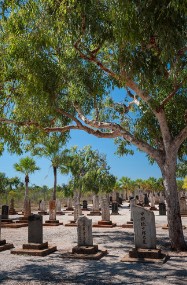
    Where Can You Find Australia’s Japanese War Memorials?

    オーストラリアのどこに日本人戦没者慰霊碑があるのか? In Why Does Australia Have So Many Japanese War Memorials?, we explored why Australia has so many Japanese war memorials and the remarkable spirit of remembrance and reconciliation behind them. This time, we travel across Australia to discover some of the places where these memorials stand today. Each tells a different story, but together they reflect a friendship that grew from one of history’s most difficult chapters. 第1回では 「Why Does Australia Have So Many Japanese War Memorials?」では、なぜオーストラリアに多くの日本人戦没者慰霊碑があるのか、その背景にある追悼と和解の精神について紹介しました。 今回は、オーストラリア各地に残る慰霊碑や墓地を訪ね、それぞれの場所に刻まれた歴史と、それを大切に守り続ける地域の人々の思いを見ていきます。 Cowra, New South Wales ニューサウスウェールズ州カウラ Cowra is home to the largest Japanese war cemetery in the Southern Hemisphere. More than 500 Japanese prisoners of war who died during the Cowra Breakout…

  • |

    Why Does Australia Have So Many Japanese War Memorials?

    なぜオーストラリアには日本人戦没者慰霊碑がこんなに多いのか? Most Australians know about the fierce fighting against Japan during the Second World War. Few realise that Australia is also home to dozens of memorials dedicated to Japanese people. How can a country that fought such a bitter war also preserve monuments honouring former enemies? The answer lies not in politics, but in compassion, reconciliation and a shared belief that every life lost in war deserves to be remembered. Over the past 80 years, Australians and Japanese have worked together to care for cemeteries, restore memorials and commemorate those who never returned home. These quiet places tell an important story about how former enemies became trusted friends. 第二次世界大戦で日本と激しく戦ったことは、多くのオーストラリア人が知っています。しかし、オーストラリア国内に数多くの日本人戦没者慰霊碑や墓地があることを知る人は、それほど多くありません。 かつて敵国だった日本人を、なぜオーストラリアが今も大切に弔っているのでしょうか。その答えは政治ではなく、思いやりと和解、そして戦争で命を失ったすべての人々を忘れないという共通の願いにあります。…

  • | | |

    Is Niseko Still Australia’s Ski Town?

    ニセコは今も「オーストラリア人のスキーの町」なのか? Walk through Niseko today and you’ll hear conversations in Japanese, English, Mandarin, Korean and many other languages. The resort that Australians helped introduce to the world has become one of Asia’s most international winter destinations. Visitors now arrive from across the globe, while investment comes from many countries. So, after more than three decades, is Niseko still Australia’s ski town? 現在のニセコを歩くと、日本語だけでなく英語、中国語、韓国語など、さまざまな言語が聞こえてきます。 かつてオーストラリア人が世界に紹介したスキーリゾートは、今ではアジアを代表する国際的なウィンターリゾートへと成長しました。 では、30年以上が経った今でも、ニセコは「オーストラリア人のスキーの町」と言えるのでしょうか。 The Pioneer Years There was a time when Australians dominated Niseko’s international tourism scene. From the mid-1990s through the early 2000s, Australian visitors arrived in growing numbers, opening cafés, ski schools, accommodation businesses and tour companies. Their enthusiasm encouraged more travellers to discover Hokkaido’s famous powder…