
Author: Kangaeroo

  • 何でオージー英語では金持ちがStinking?

    Why Do The Wealthy Smell In Strine? オーストラリアの俗語では、富はただ輝くだけでなく、どうやら「臭う」ものらしい。 誰かを”stinking rich”(腐るほど金持ち)と呼べば、その人がどれほど裕福かが 一発で伝わる。 Riches, in Australian slang, don’t just glitter; they smell. Call someone “stinking rich” and everyone instantly knows exactly how wealthy you mean. Meaning “stinking rich”は「非常に、過剰に裕福」という意味で、ほとんど嫌みなほど 金持ちだというニュアンスを持つ。この表現自体はオーストラリアだけのものでは なく、イギリスやアメリカの英語でも広く使われている。ただしオーストラリアでは、 かつての牧羊業で一夜にして富を築いたスクワッターや羊毛長者たちの物語で、 特によく使われる表現でもある。 “Stinking rich” means extremely, excessively wealthy — so much money it’s almost distasteful. The phrase isn’t unique to Australia; it’s common across British and American English too. But Australians lean on it heavily in stories about old pastoral fortunes — the squatters and wool barons whose sheep runs made them wealthy almost overnight. Example “He struck it lucky on the goldfields and ended up stinking rich.” 「彼は金鉱で運よく大当たりして、腐るほど金持ちになった」 何で金持ちが臭い? “stinking”という単語を「臭い」ではなく「過剰な」という強調語として使う 発想は、日本語話者には少し不思議に感じられるかもしれない。似た発想の…

  • いったい「ボーガン」って何者なのか?

    ここがちょっとややこしい。 まず、みんなが思い浮かべる“典型的ボーガン像”はこんな感じだ。マレットヘア+ネルシャツ(フランノ)+タンクトップ+黒ジーンズ/ショーツ+ブーツかビーチサンダル+タトゥー+ビール+ユート(軽トラ的なやつ)+爆音ミュージック。 このイメージがあまりにも強烈だから、 自分はボーガンじゃないと思ってる人でさえ、 「はいはい、あの感じね」と即理解できる。 でも、最近の研究では“本当の定義”はそこじゃないと言われている。ボーガン=低所得層 ……ではない。 お金持ちでもボーガンになれる。高学歴でもボーガンになれる。バリバリのプロフェッショナルでもボーガンになれる。大学卒で年収6桁の人が「CUB(Cashed-Up Bogan=金持ちボーガン)」と呼ばれることもあるくらい。このCUBの登場はかなり重要で、“貧しい=ボーガン”というイメージを完全にぶち壊した。 より正確な区別は、経済力よりも文化的なセンス(カルチャー・キャピタル)にあるらしい。つまり、ざっくり言うとこうだ。お金はあっても、センスがあるとは限らない。 そしてオーストラリアは、このギャップをネタにしてめちゃくちゃ楽しんでいる国でもある。

  • What Actually Makes Someone A Bogan?

    This is where things get complicated. The classic visual stereotype is: Mullet + flanno + singlet + black jeans/shorts + boots/thongs + tattoos + beer + ute + loud music. The stereotype is so powerful that even people who don’t identify as bogans know exactly what the image means. But researchers increasingly point out that the real definition isn’t socioeconomic status. A wealthy person can be a bogan. An educated person can be a bogan. A professional can be a bogan. A person with a university degree and a six-figure salary can apparently be a CUB — “cashed-up bogan.” The rise of the CUB was particularly important because it broke…

  • | |

    Poles Apart! How A Japanese-Aussie Created An Apparently Eastern European Monicker

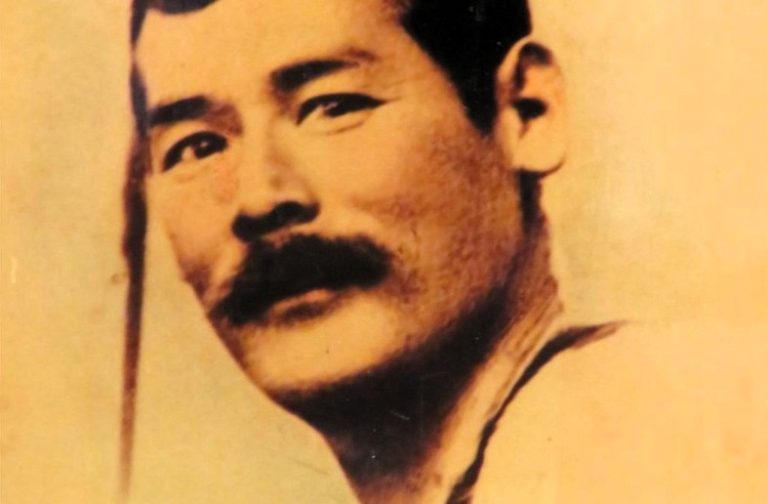
    なぜオーストラリアに「日本人由来のポーランド風の姓」があるのでしょうか? A very Australian mystery オーストラリアにある不思議な姓 Dicinoski sounds Polish. In fact, the surname is so unusual that it appears to belong to just one Australian family. And many of its members thought they came from Poland, too. Yet its origins lie not in Europe, but in Japan. And with a circus performer who became one of the earliest recorded Japanese settlers in Australia. 「ディキノスキー」と聞けば、ポーランド系の姓だと思うのが自然でしょう。ところが、この珍しい姓はオーストラリアの一つの一族にしか見られません。そのルーツはヨーロッパではなく日本。そして、その始まりはサーカス芸人として渡豪した日本人でした。 Meet Rikinosuke 始まりは力之助 His name was Sakuragawa Rikinosuke (桜川力之助). He was a Japanese acrobat who travelled to Australia with other performers in the early 1870s. Australian and Japanese sources differ slightly over the precise arrival date, but he was in Australia by 1873 and is recognised…

  • Boganism And The Aussie Class System

    This may actually be the deepest subject behind the whole phenomenon. Australia traditionally likes to imagine itself as an egalitarian society where the wealthy and working class can sit together in the pub and have a beer. Consequently, Australians have historically been uncomfortable talking explicitly about class. “Bogan” provides a sneaky alternative. Instead of saying: “That person is working class.” people can say: “They’re a bit bogan.” Instead of saying: “I dislike their cultural tastes.” they can say: “That’s bloody bogan.” Sociologists Steve Threadgold and Jessica Gerrard have argued that figures such as the bogan and the hipster function as proxies for class in Australian public culture. The bogan represents…

  • ボーガニズムとオーストラリアの階級システム

    実はこのテーマ、ボーガン文化の中でもいちばん“深いところ”にある。 オーストラリアは昔から、 「金持ちも労働者も、パブで同じテーブルに座ってビールを飲む国」 という“平等主義の国民イメージ”を大事にしてきた。 そのせいで、オーストラリア人は歴史的に 階級の話をストレートにするのが苦手。 そこで登場するのが—— ボーガンという便利な裏口。 ■ 階級を言わずに階級を語る魔法の言葉 本来ならこう言うべき場面で、 「あの人、労働者階級だよね。」 と言わずに、 「ちょっとボーガンっぽいよね。」 と濁す。 本来ならこう言うべき場面で、 「あの人の文化的趣味、苦手なんだよね。」 と言わずに、 「あれ、めっちゃボーガンじゃん。」 と言い換える。 つまり、 ボーガンは“階級の代わりに使える文化ラベル”として機能してきた。 ■ ボーガンとヒップスターは階級の代理キャラ? 社会学者スティーブ・スレッドゴールドとジェシカ・ジェラードは、 ボーガンやヒップスターのようなキャラクターが オーストラリアの公共文化における“階級の代理”として働いている と指摘している。 という構図だ。 クリス・ギブソンの「ボーガンヴィル」研究でも、 ボーガンというラベルは 階級的なスティグマ(偏見)を生む一方で、 地域の誇りにも変わりうる という結果が出ている。 つまり、 “ボーガンと言われたコミュニティが、逆にその言葉を誇りとして受け入れる” という現象が起きるわけだ。 ■ ここに最高の矛盾がある ボーガンは侮辱として使われる。 「お前、文化的に未熟だよ。」 ボーガンは防御として使われる。 「だから何?」 ボーガンは自慢として使われる。 「むしろ誇りだし。」 ボーガンは国民的アイデンティティとして使われる。 「これが本物のオージーだろ。 たった4文字の侮辱語が、ここまで複雑で洗練された文化的進化を遂げるなんて、オーストラリアらしくて最高に面白い。

  • オージー版かんちょうのDackingはどうなる?

    What’s So Risky About A Dacking? とにかく、dackingは誰が隙間を見ていきなりズボンなどを下すことだから危険だ!言葉として全く問題ないだが、行為自体がやばい。しかし、特に若者の間、学校など公の場でふざけながらよくあること。 Every Australian schoolyard has a story about it. Someone runs past, a quick tug, and suddenly a classmate is standing in the yard in their undies while everyone else falls about laughing. Australians have a single word for this act of mild social terrorism: dacking. オーストラリアのどの学校にも、この話が一つはある。誰かが走り抜けざまに サッと引っ張ると、クラスメートが下着姿で校庭に立たされ、周りは大爆笑——。 オーストラリア人は、このちょっとした社会的テロ行為を一語で表す。それが “dacking”だ。 Meaning To “dack” someone means to pull their trousers down, usually as a prank, usually in public, and usually to great embarrassment. It’s the verb form of “daks” (trousers). “dack”とは、誰かのズボンを引っ張って下ろすこと。たいていはいたずらとして、 たいてい人前で行われ、たいてい本人を大いに赤面させる。これは「daks」 (ズボン)という名詞の動詞形である。 Example “Watch out for Macca at footy training — he’ll dack you in front of the whole team if you’re not careful.”…

  • ボーガンフェミニズム

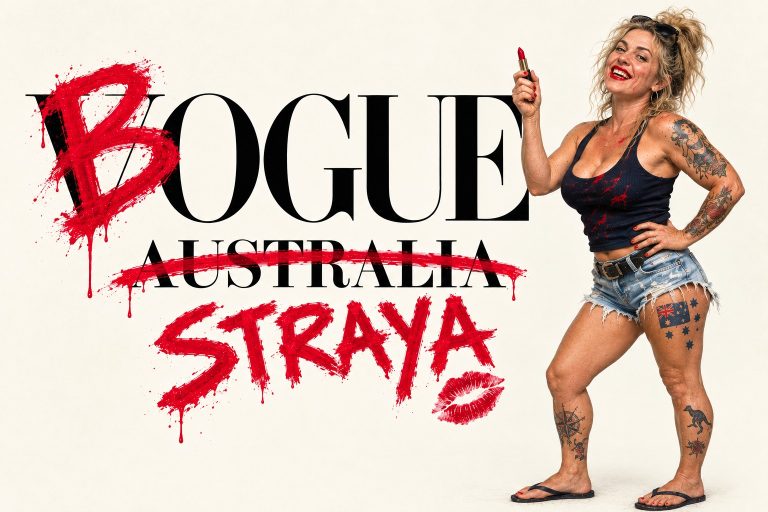
    伝統的なボーガン像が大きく見落としているのが、 男性ばかりにフォーカスしてしまう偏り。実際には、 しっかりとした“女性ボーガン”のアーキタイプ(典型像)が存在する。 思い浮かべてほしいのはこんなスタイル。 つまり、 ボーガン女性は“強さ・派手さ・実用性・ユーモア”のミックス。 “Sheila”の文化的復活とボーガン・フェミニズム 最近興味深いのが、 “sheila(女性)”という言葉の再評価。かつては軽い俗語だったこの言葉が、 現代では一部の論者によって “ボーガン・フェミニズム” の象徴として語られている。 これは何かというと—— こうしたものを女性が堂々と再主張する動き。つまり、 ボーガン女性は“粗野なステレオタイプ”ではなく、 オーストラリア文化の中で独自の強さを持つ存在として再評価されている。 ボーガン女性は文化の“もうひとつの心臓部” 男性ボーガンが車・音楽・マレットで文化を動かすなら、 女性ボーガンはファッション・テレビ文化・日常のユーモアで文化を動かす。どちらも、 オーストラリアの“普通の人”のリアルな姿を映す鏡。 The sheila is returning to Australian culture, riding on a new wave of ‘bogan feminism’

  • Bogan Feminism

    One thing traditional bogan imagery gets wrong is its obsession with men. There is a substantial female bogan archetype. Think: And there is currently an interesting cultural revival around “sheila”, with commentators describing a contemporary “bogan feminism” that reclaims toughness, Australianness and working-class identity. The sheila is returning to Australian culture, riding on a new wave of ‘bogan feminism’

  • ディンゴが見ればあなたはどこへGO?

    Where Will You Go If You See A Dingo? Stretch a fence from the Queensland coast to the cliffs of South Australia and you have the Dingo Fence. At roughly 5,600 kilometers, one of the longest structures ever built by humans, longer than the distance from Tokyo to Jakarta. Its entire job is to keep one animal out: the dingo. 考えRoo が最後にディンゴを見たのは、ディンゴフェンスに沿って南オーストラリアの荒野を自転車で走っていたときだった。 遠くの丘の上で、じっとこちらを見つめる一匹の犬。オオカミでもなく、普通の犬でもない。 それがディンゴだった。 What’s a dingo? The dingo (Canis familiaris, sometimes classified separately) is Australia’s wild dog, believed to have arrived with seafarers from Asia around 3,500–5,000 years ago. It is now the continent’s largest land predator, feared by sheep farmers and protected as a native species in national…