Pushing Pedals in an Exploration to Find Tokyo’s Myriad Monsters
Befitting the world’s largest city’s proclivity for being destroyed – and saved – over and again on almost countless occasions over the past several decades, Godzilla is an almost ubiquitous presence in Tokyo.
Godzilla can be found roaming in several parts of Tokyo, from the leafy suburbs of Denenchofu right in the central hub areas of Shinjuku, where he peers over the Kabukicho entertainment district, to the posh shopping area of Hibiya.
Inspired by Tokyo Time Out’s feature from last summer on the 10 monsters you’ll meet in Tokyo, Kangaeroo finally got on the bike and headed out to check out the creepy colossuses dotting Tokyo’s streets and parks.
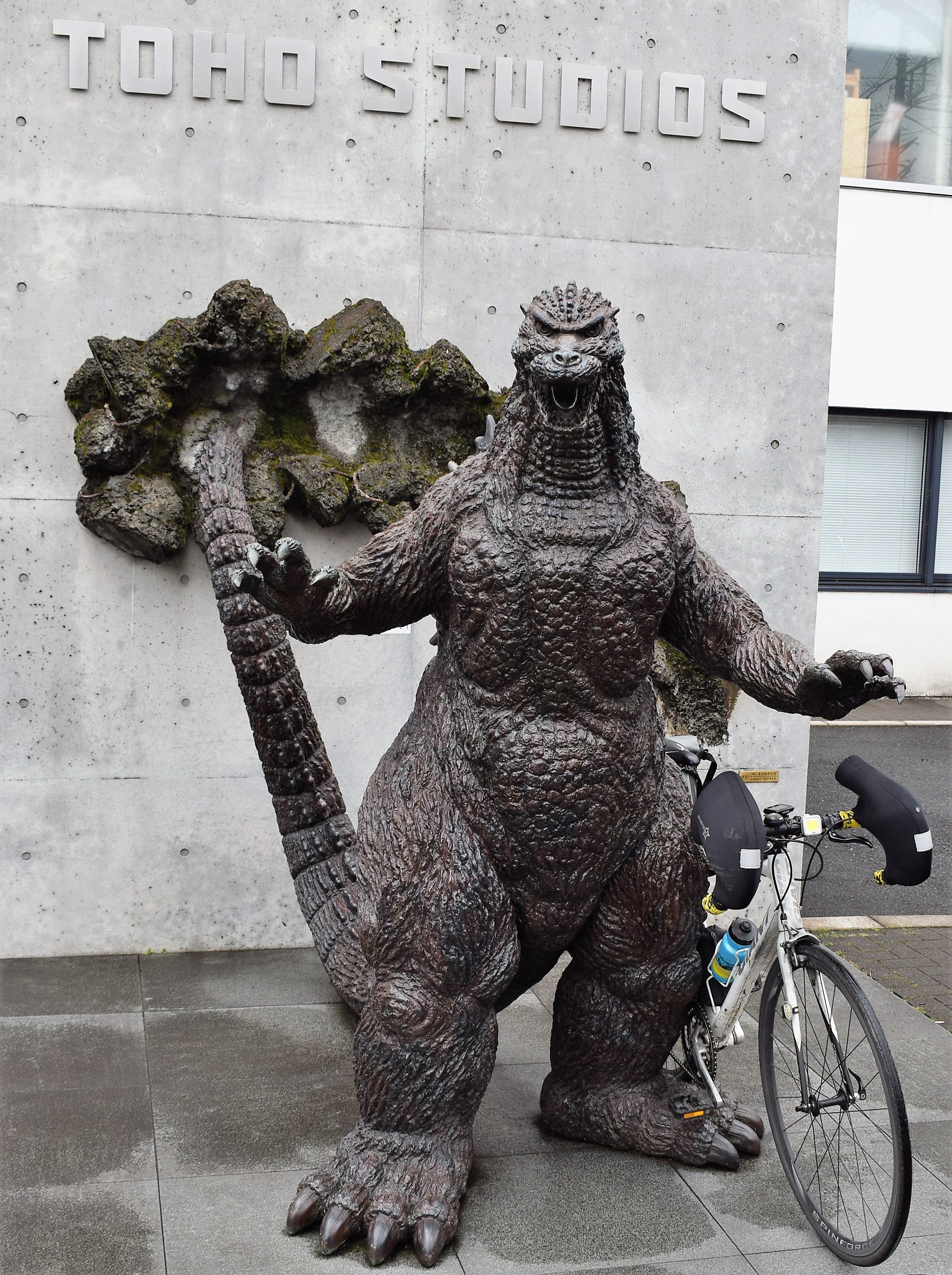
Godzilla is probably the quintessential Japanese monster, so gets first write-up. Godzilla statues can be found in many areas associated with Toho, the film studio that first gave birth to the creature.
Toho Studios has a huge mural and a statue dedicated to its most famous monster. Godzilla also looms over cinemas in central Tokyo.
Godzilla has a long-term rival in King Kong, dating back to the early 1960s in Japan, and also prominent in Hollywood. Although not specified as such, considering the enormity of the beast, it’s little surprise that the gigantic ape also occupies a prime position in Tokyo’s annals of monsters.
King Kong-like giant apes can be found along Setagaya-dori, an arterial road leading into central Tokyo from the western suburbs.
The first Kong adorns a glasses store. There are actually two gorillas, one with a headband, holding a lovebug and sucking on a cigar, and the other an apparent offspring bearing a flag urging road users to drive safely, somewhat ironic considering how much of a distraction it is on the busy road.
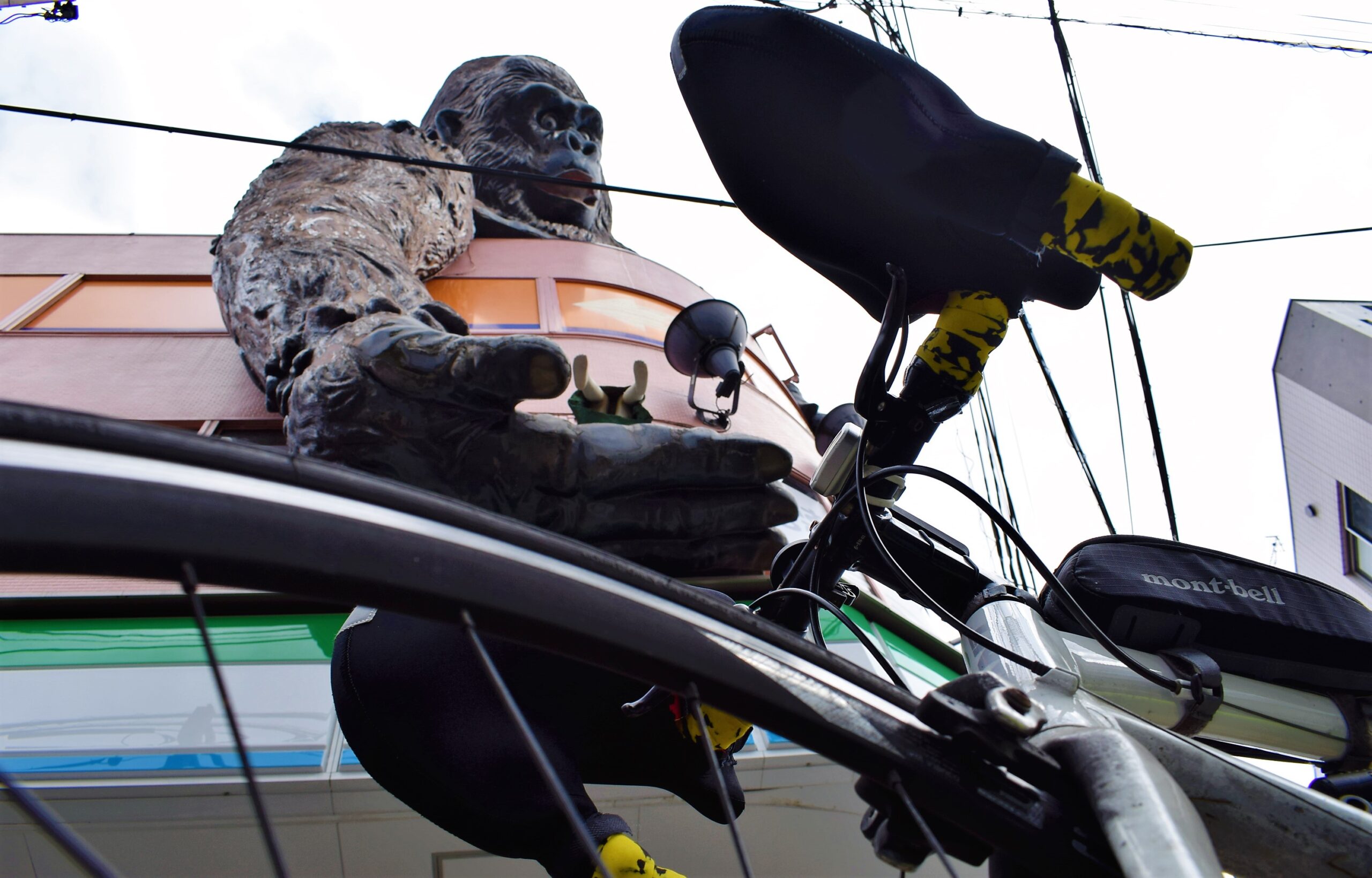
The next great ape is a few kilometers further down the same road in Sangenjaya, a mini-hub from the suburbs on the road into the Tokyo sub-center of Shibuya and meeting point for Route 246, a prime road in Tokyo that also heads out of the capital toward Odawara, Hakone and Mount Fuji.
Sangenjaya’s great gorilla sits atop a convenience store in a bustling shopping street leading off the main route. It holds a a woman in its hands and a smaller gorilla also adorns the entry to the building.
The reason for the existence of these gorillas has apparently been lost in the annals of time. They appear to be a relic of Japan’s booming postwar decades when there was money to throw around on advertising that would stand out from the crowd. There are “gorilla buildings” across Japan, and not just these examples from Tokyo.
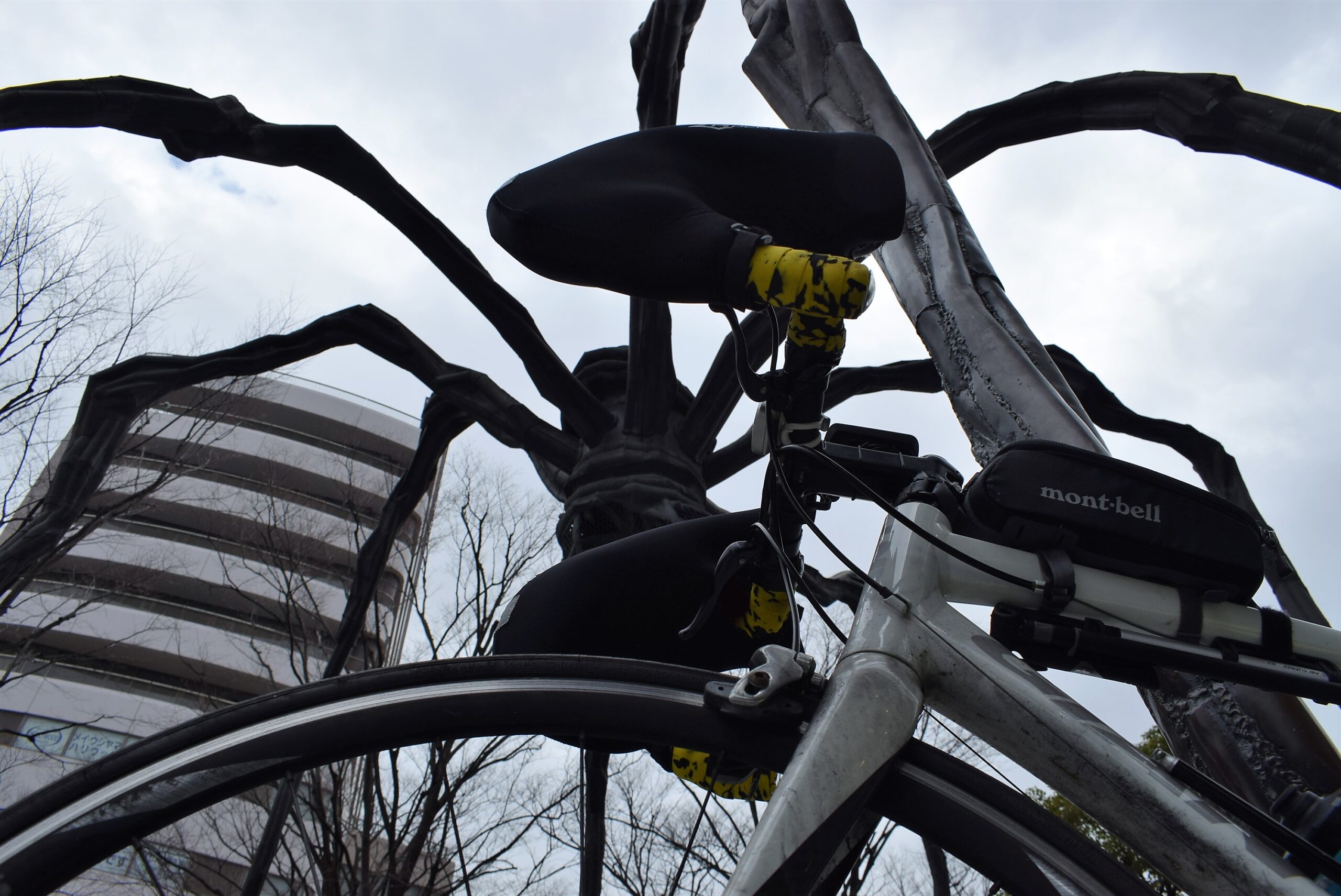
Speaking of throwing money around, few do so better than Roppongi Hills, a center of wealth in Tokyo, and home to some monsters (including Goldman-Sachs, possibly one of the most hideous monsters of all). Maman is a spider-like sculpture on permanent display, while coincidentally there is currently also an array of pocket monsters on show.
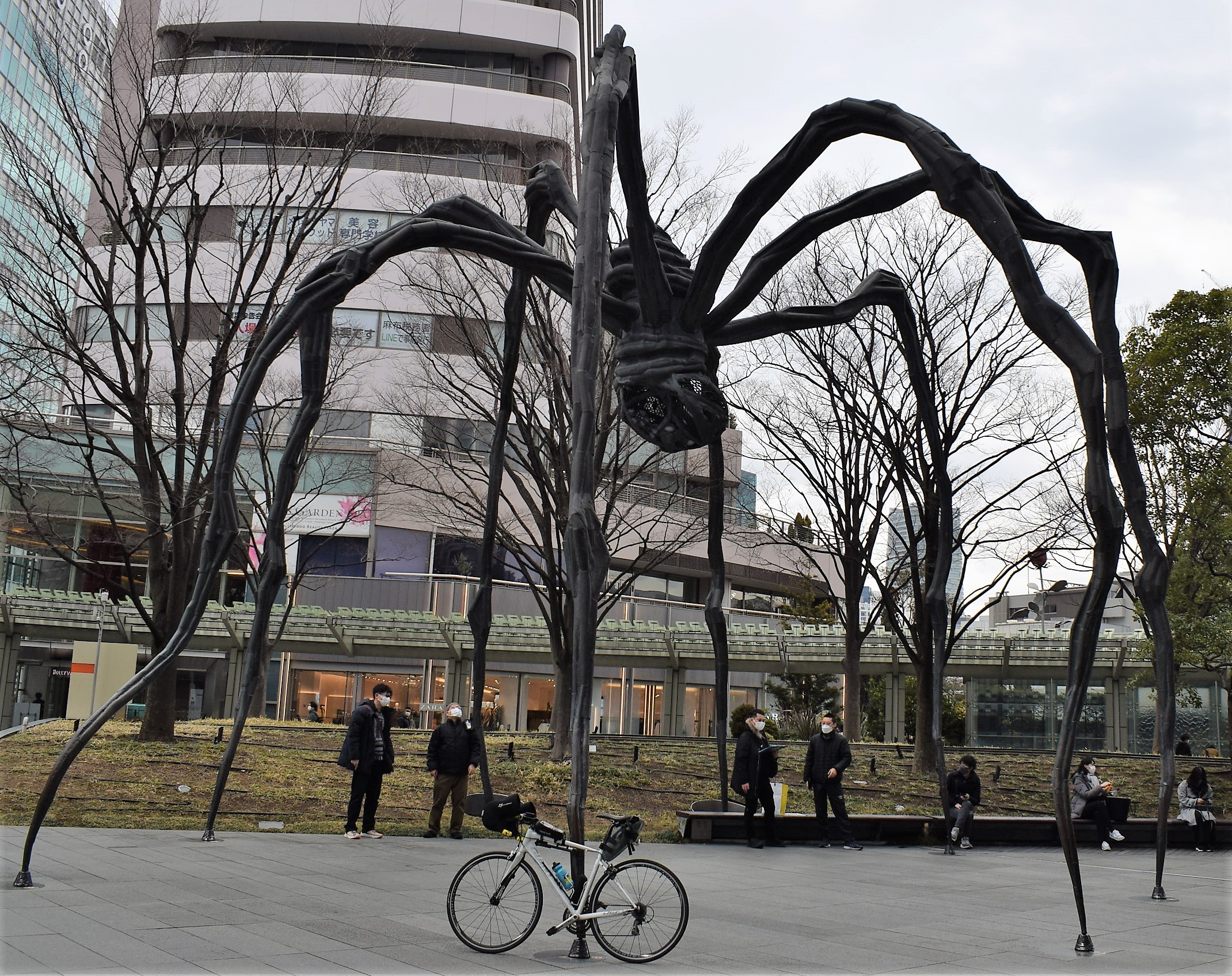
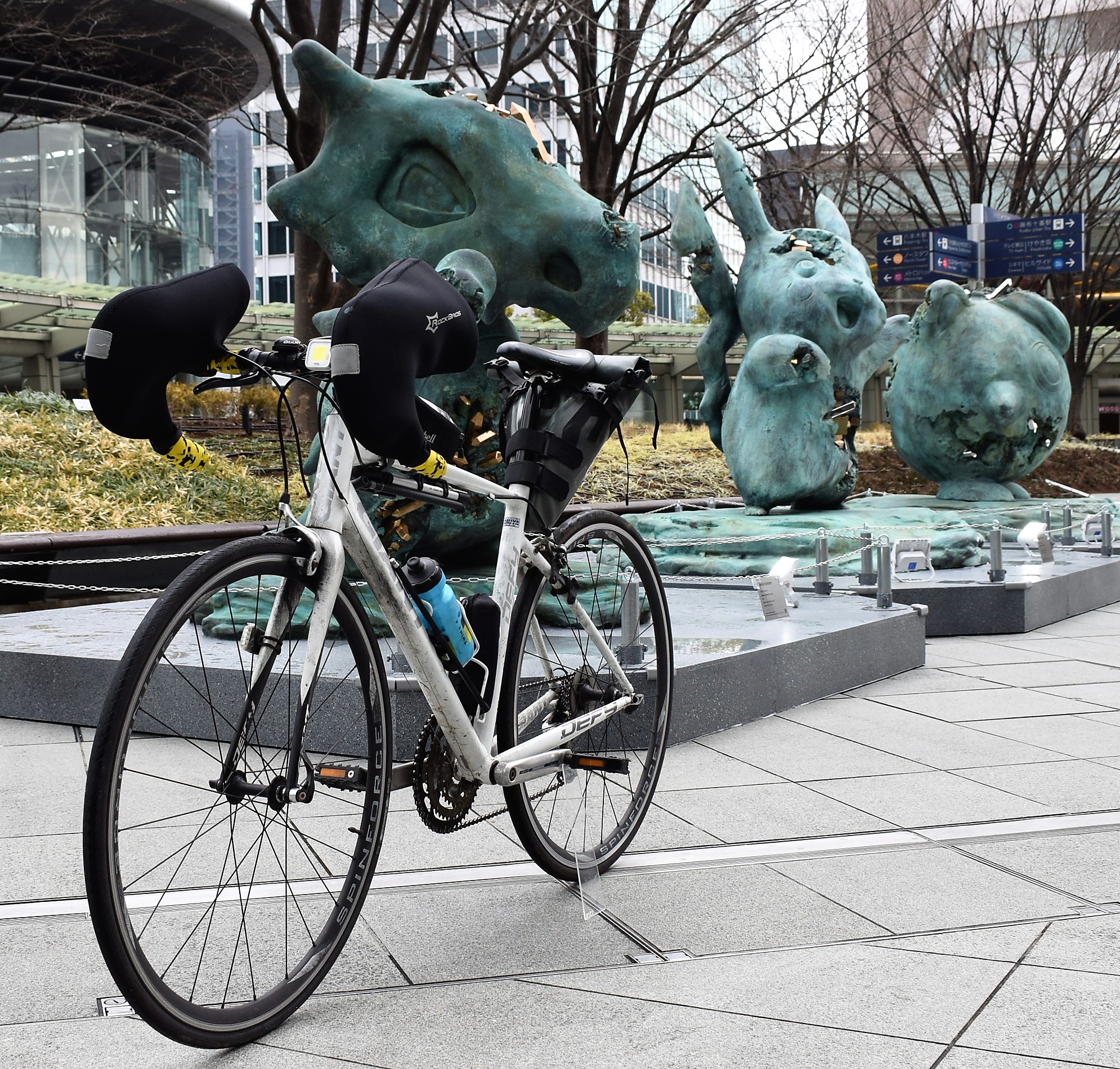
Other monsters on the trip were in somewhat nondescript parks.
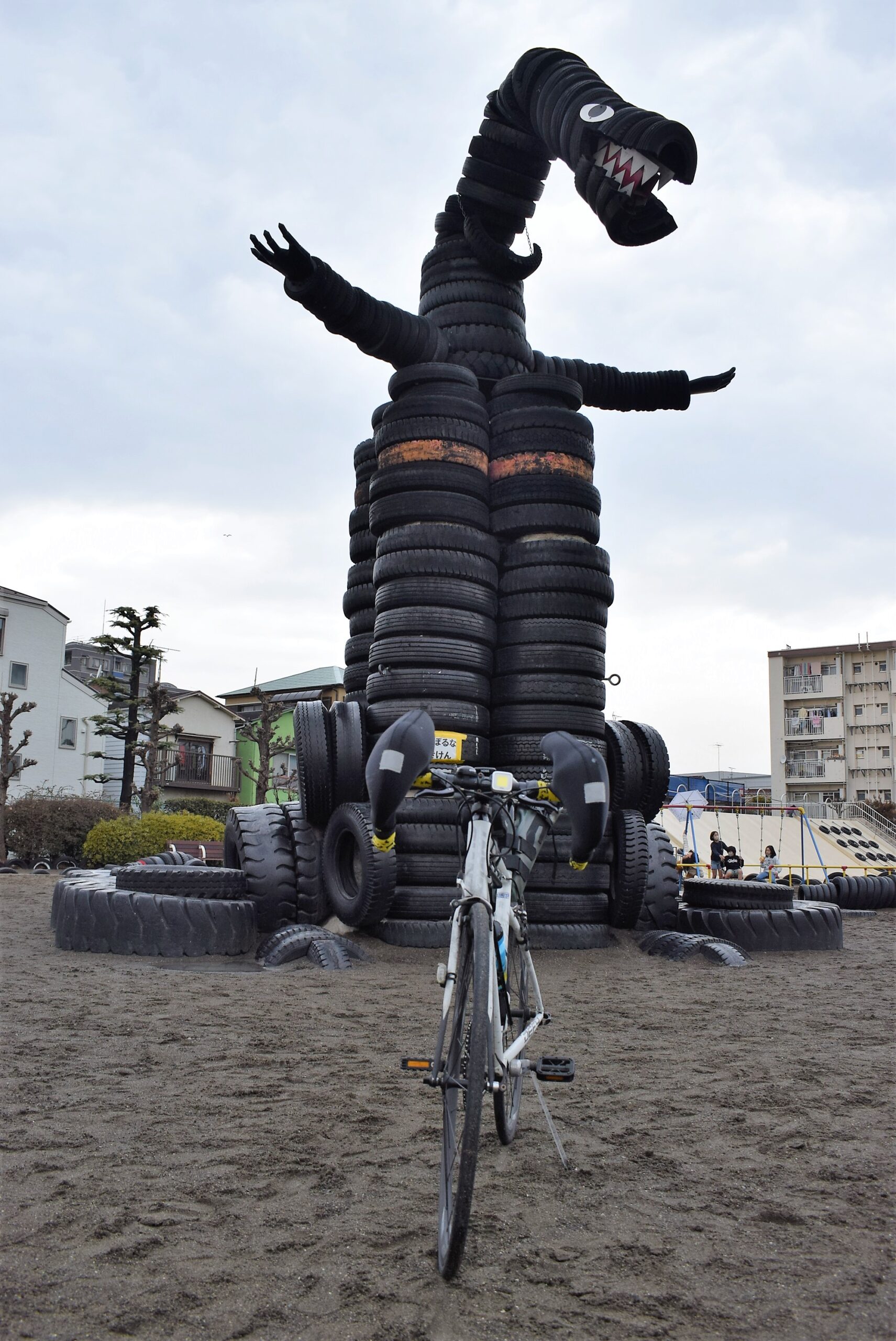
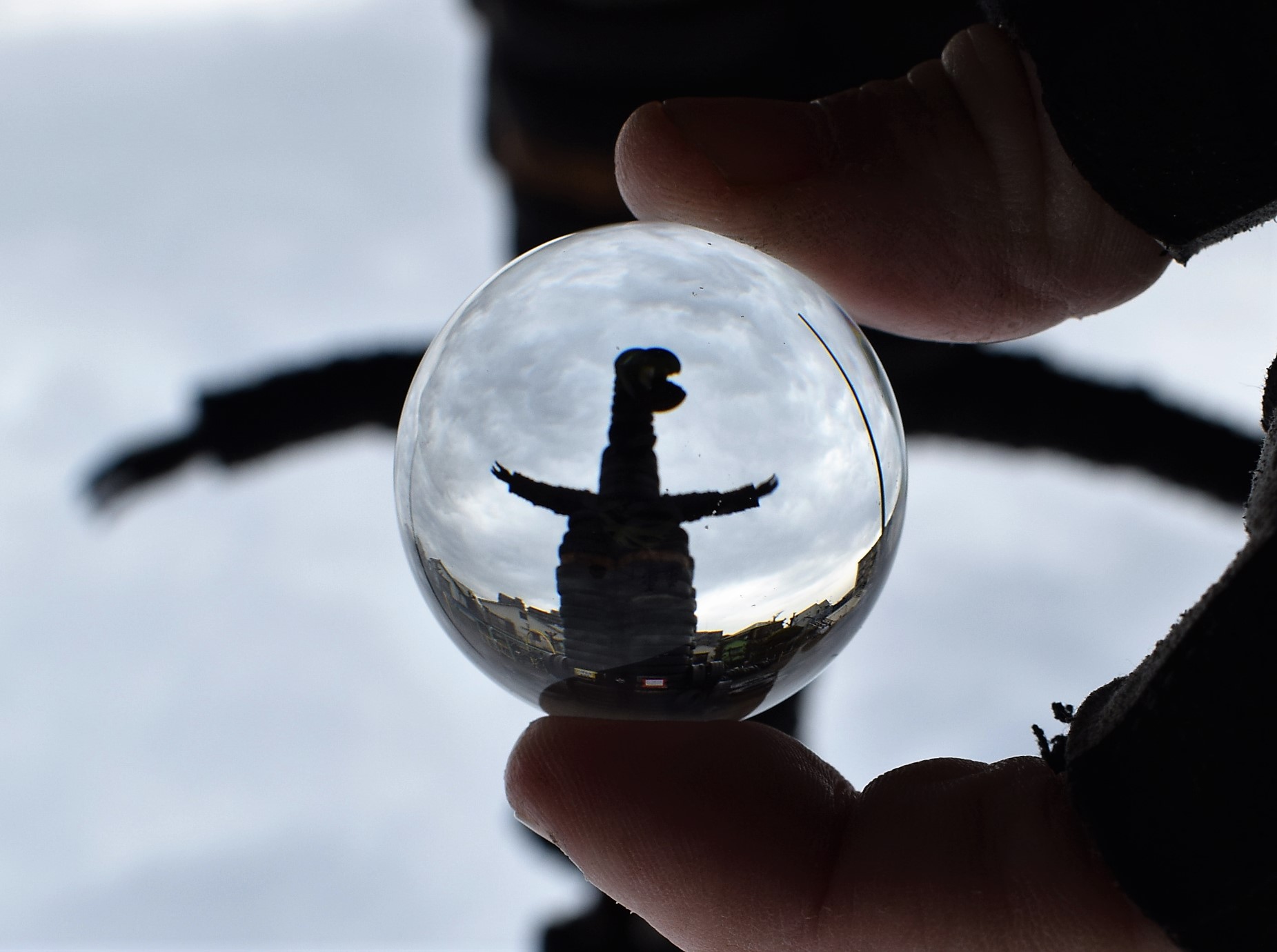
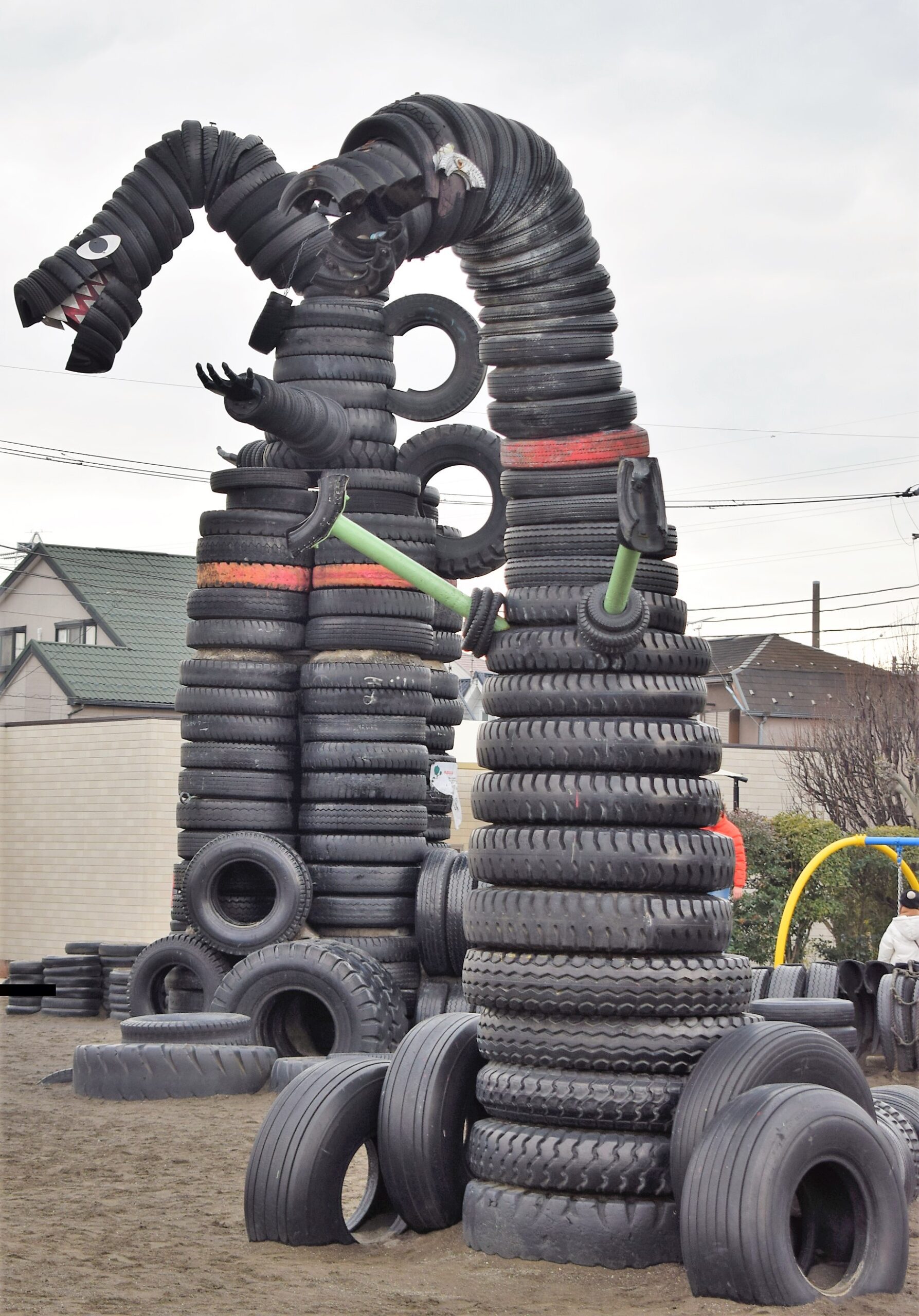
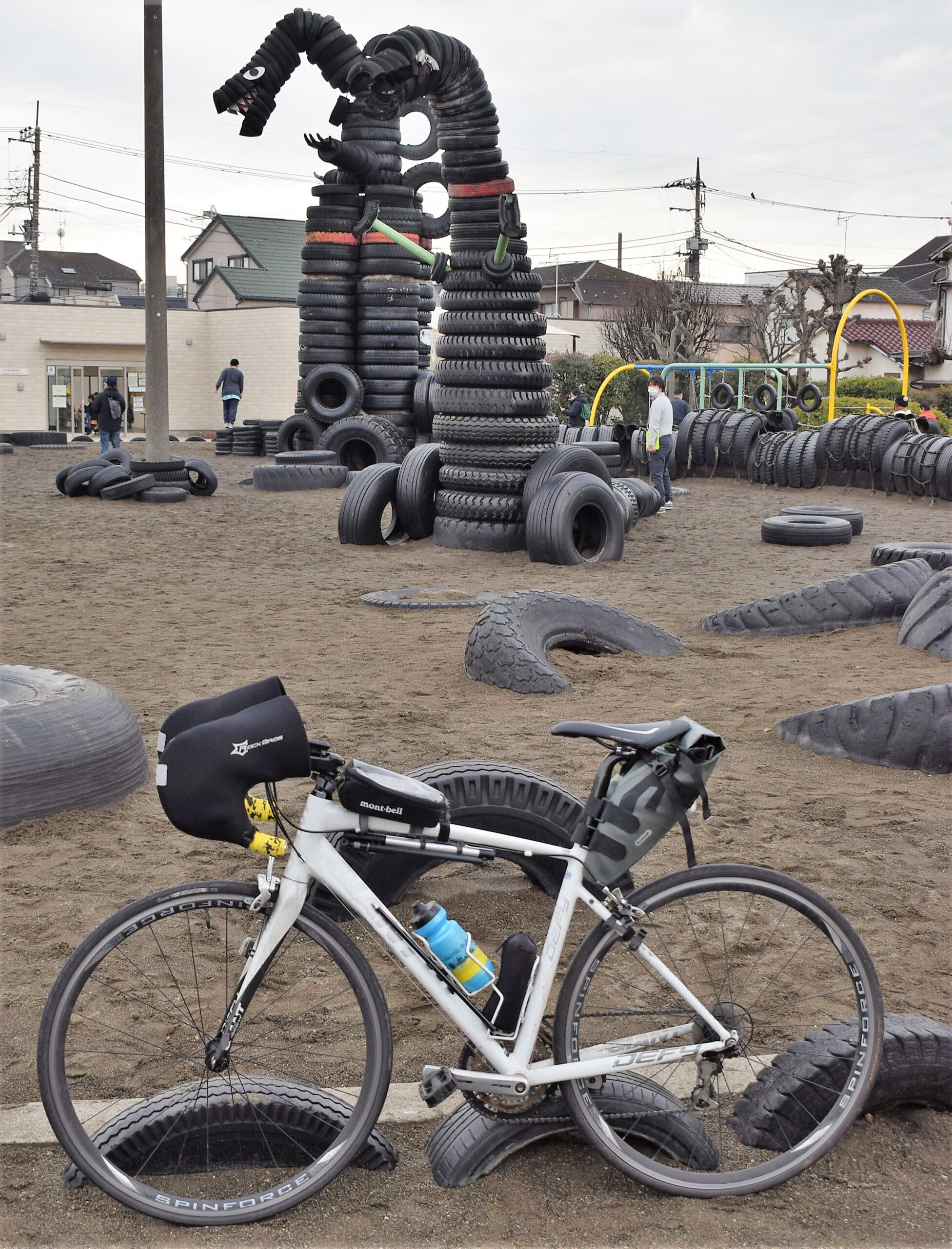
Tire Park in Ota-ku in the southern part of Tokyo has a collection of huge monsters made from tires. The monsters include dinosaurs and a robot.
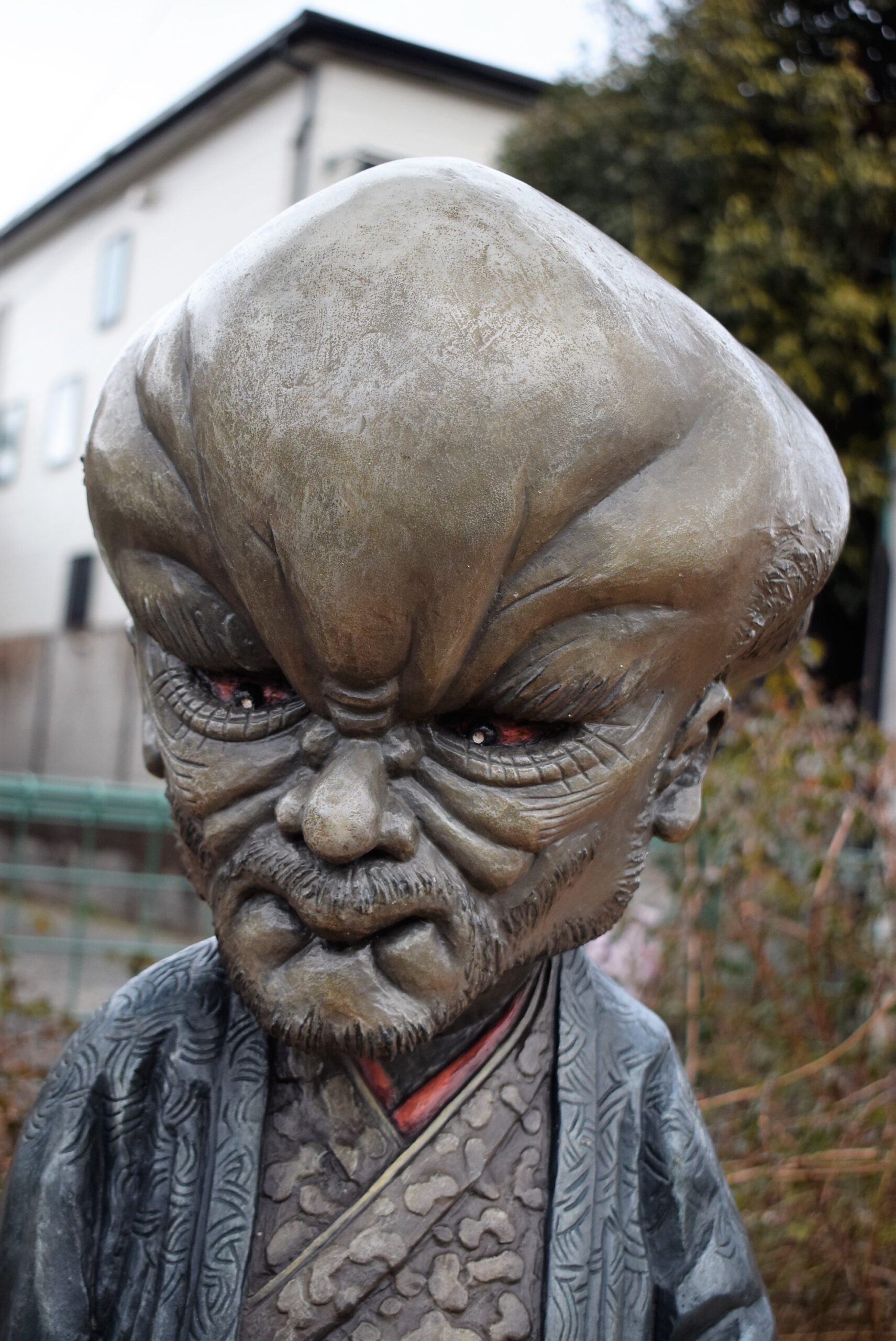
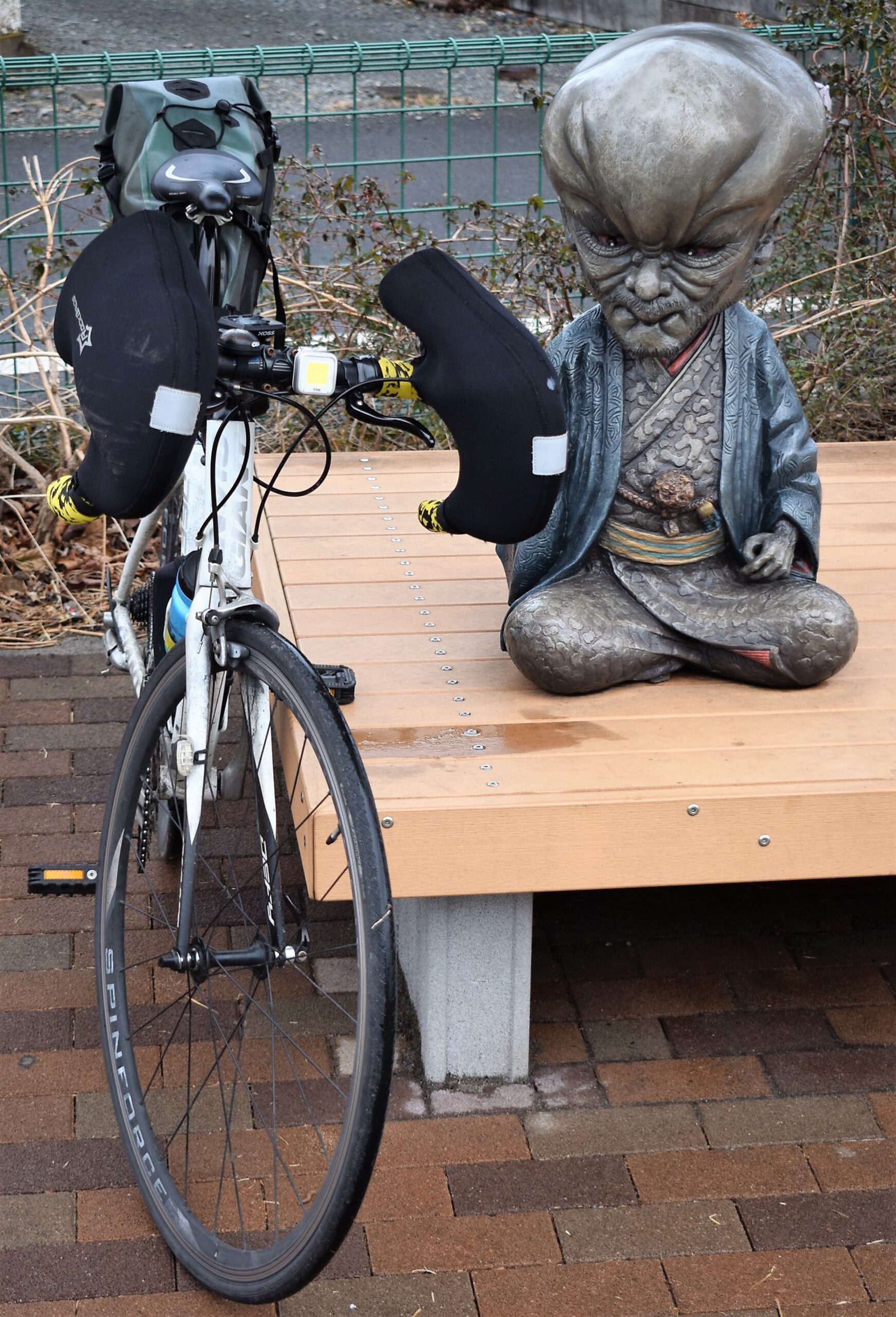
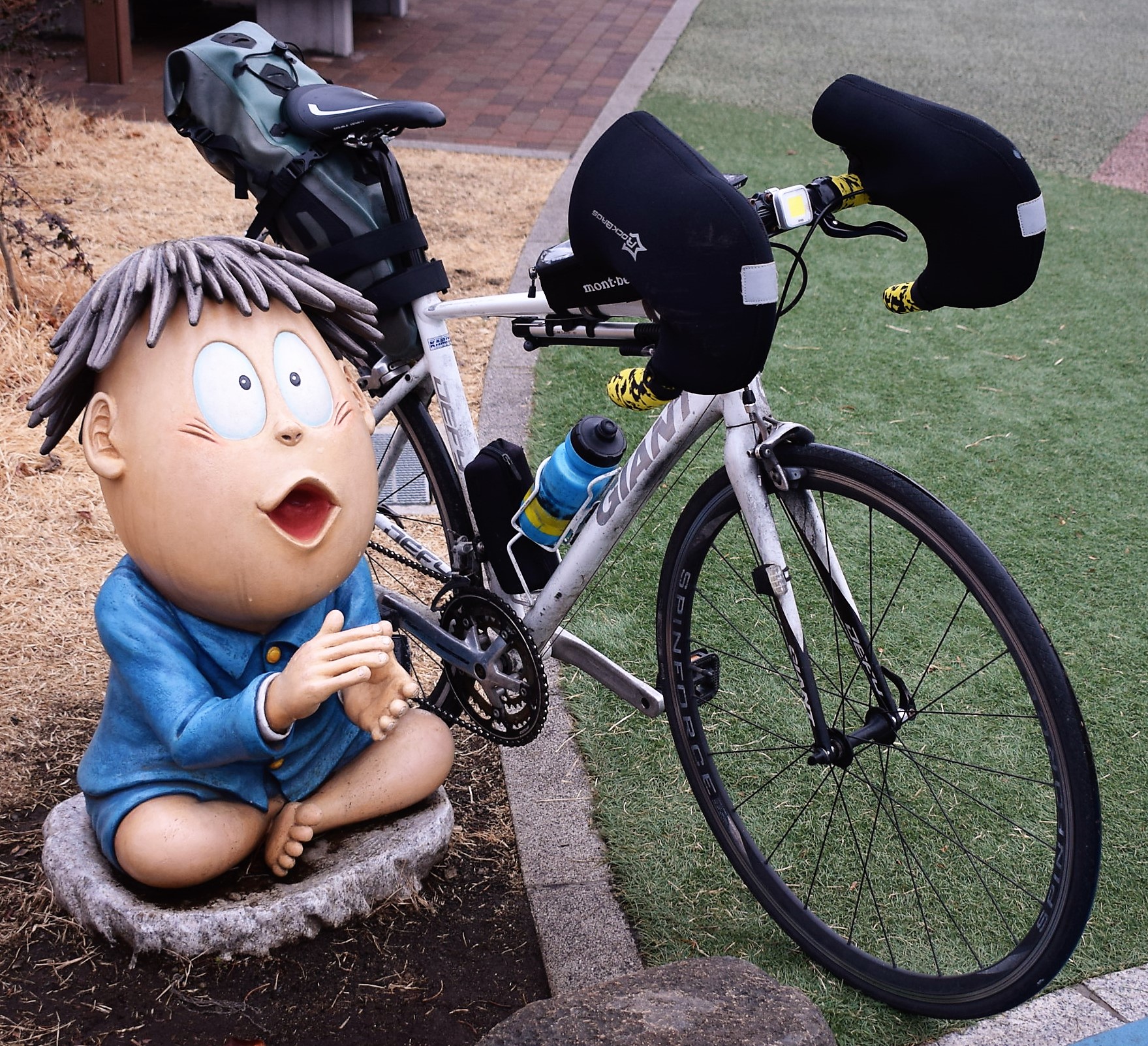
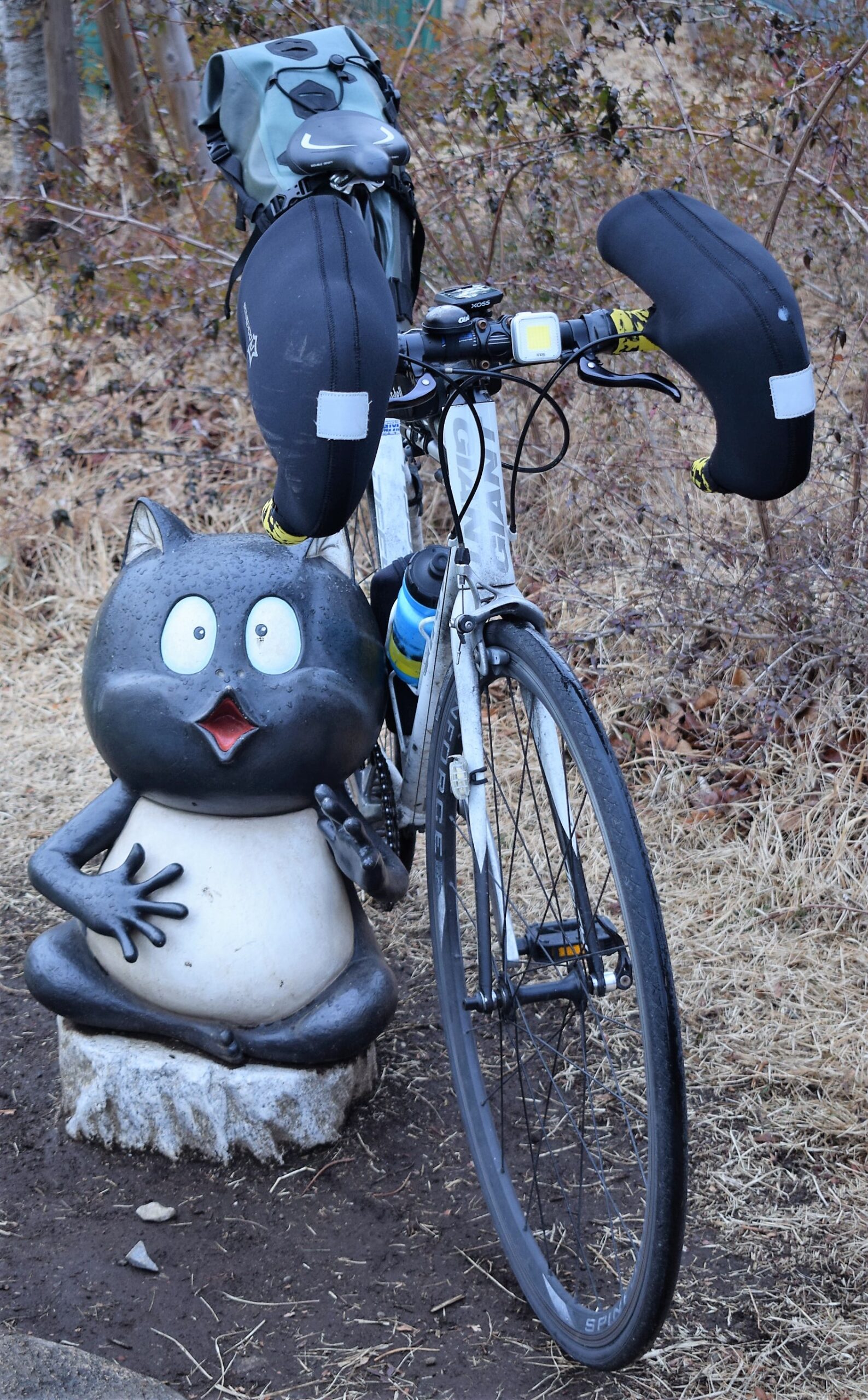
Finally, not far from the ancient temple of Jindaiji, there’s a small park in Chofu dedicated to the animation of Shigeru Mizuki’s famous Gegege no Kitaro, a delightful story of spirit monsters. The film version was produced in Chofu and allegedly set in the area, and the city responded by creating the park, which is hugely popular among the young, and the young at heart.
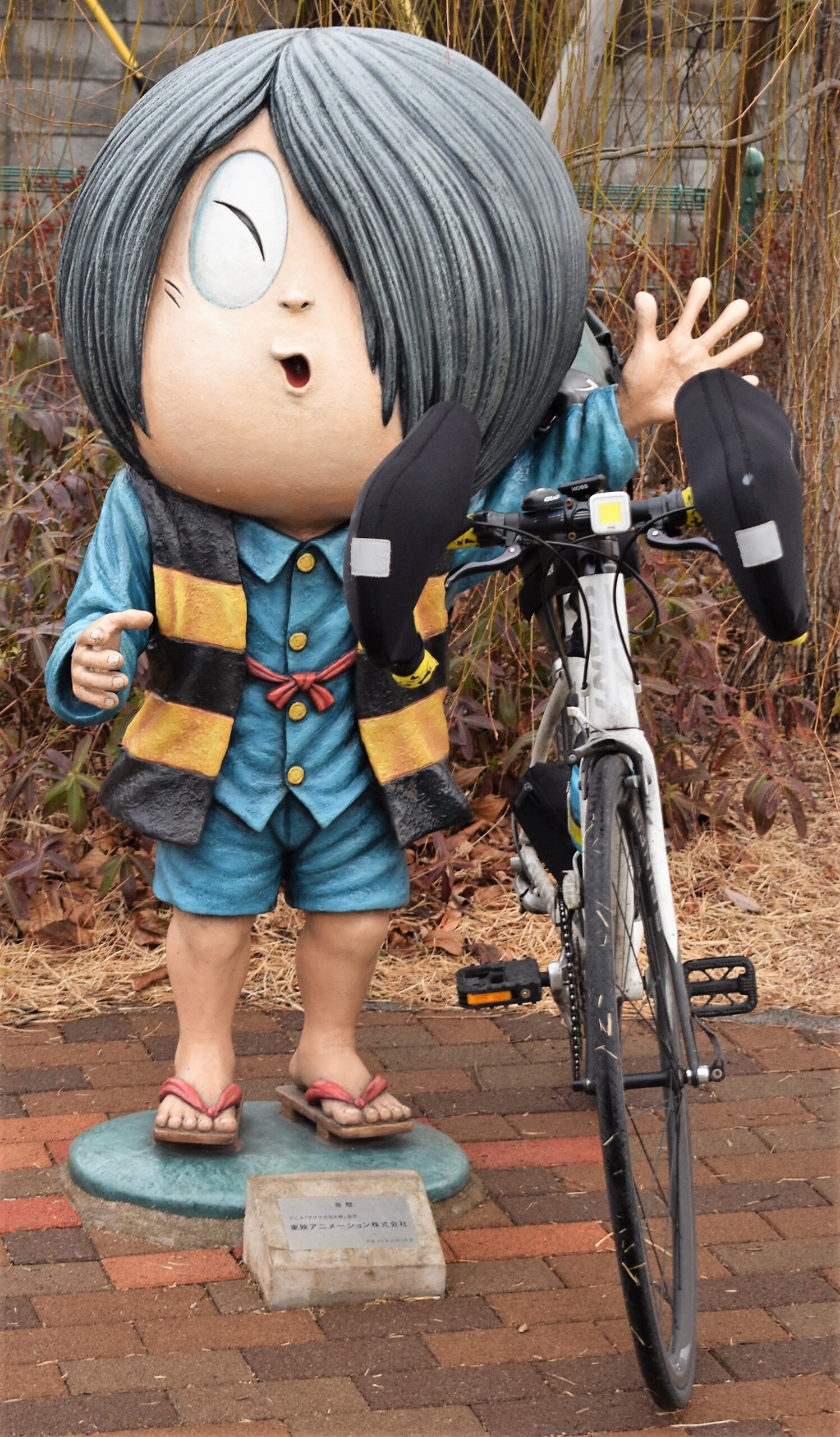
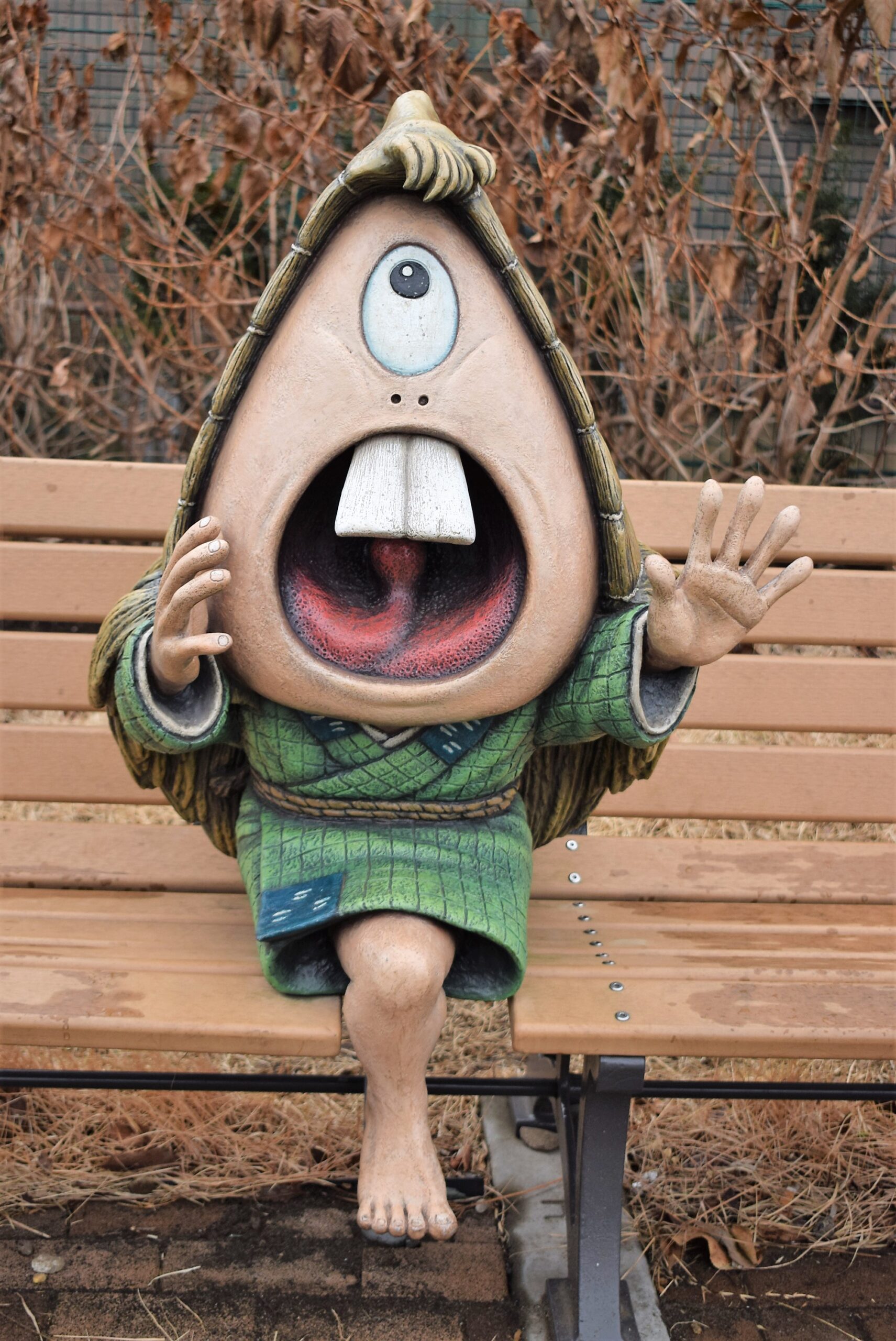
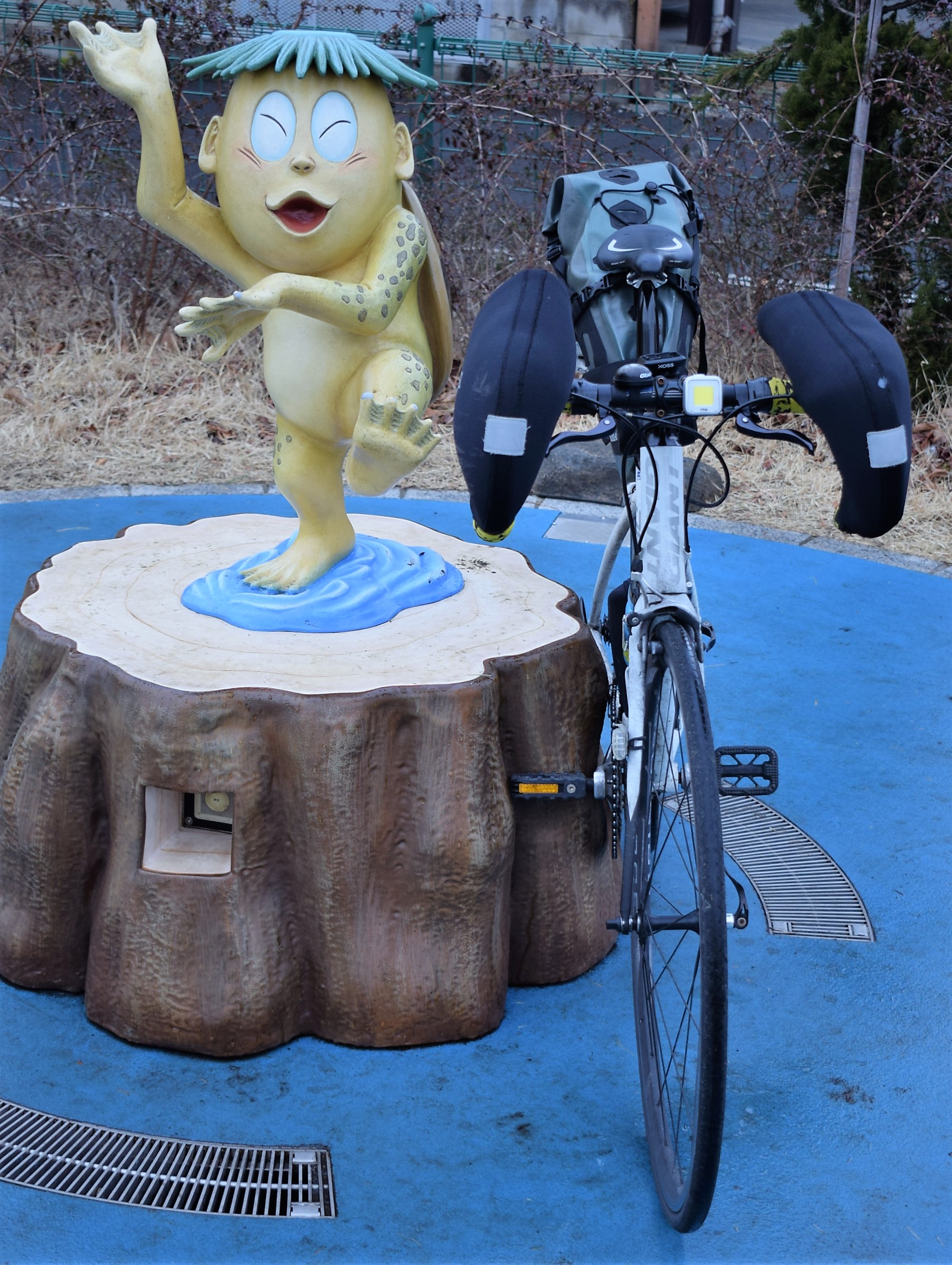
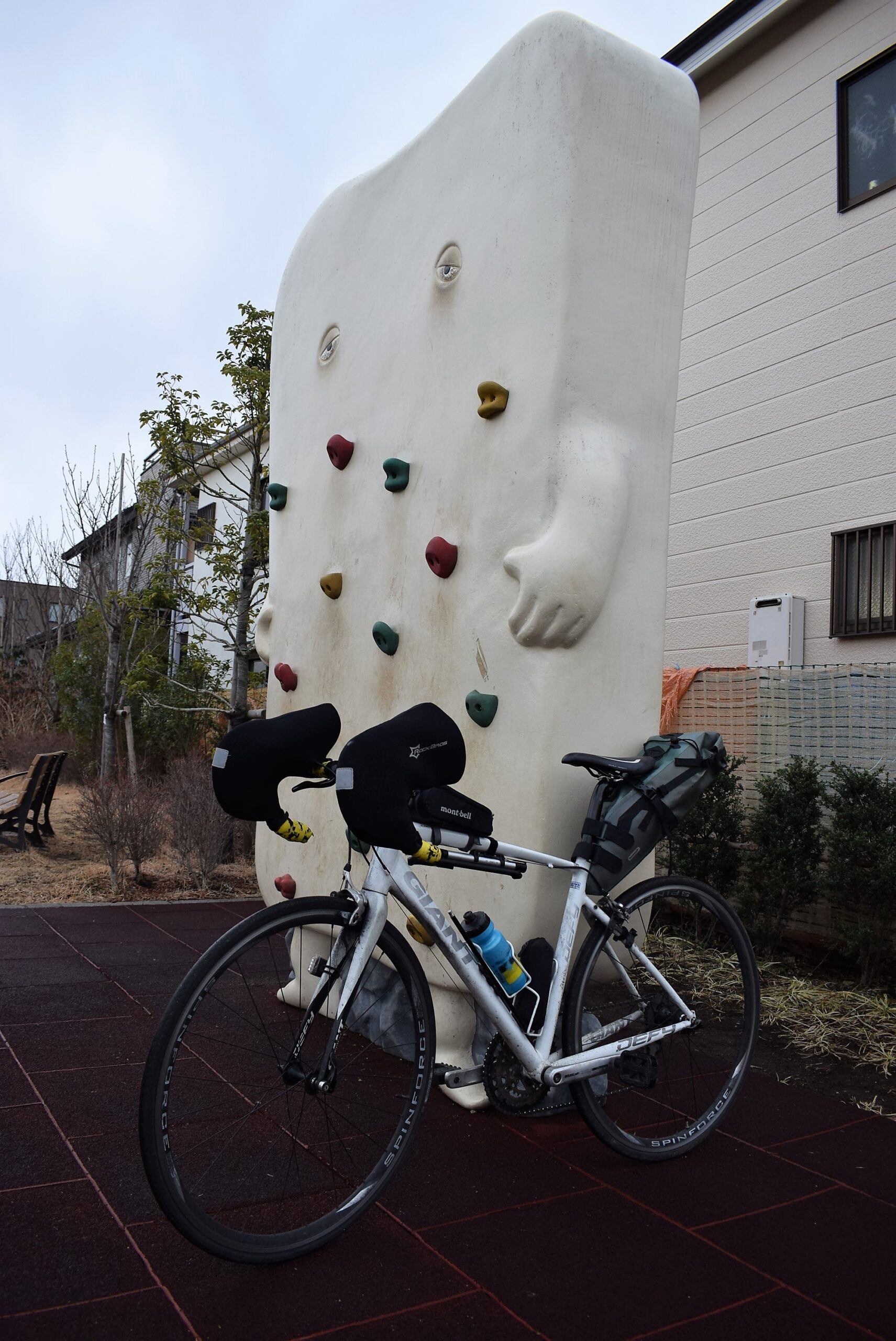
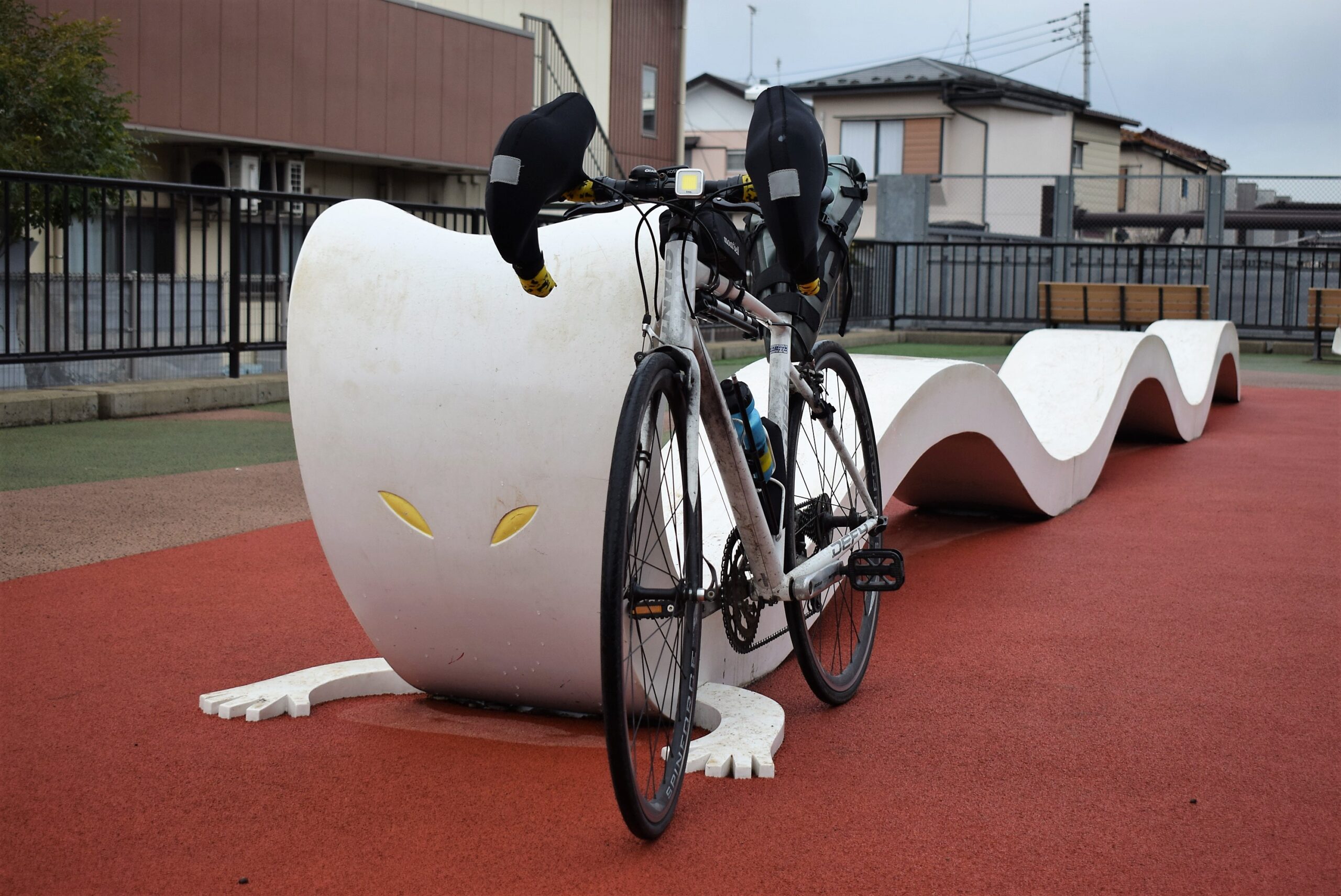
All in all, the Tokyo Monster Ride was a fabulous trip, and could be even more enjoyable if taken along back roads on bike paths instead of the sometimes hairy routes that Kangaeroo rode.
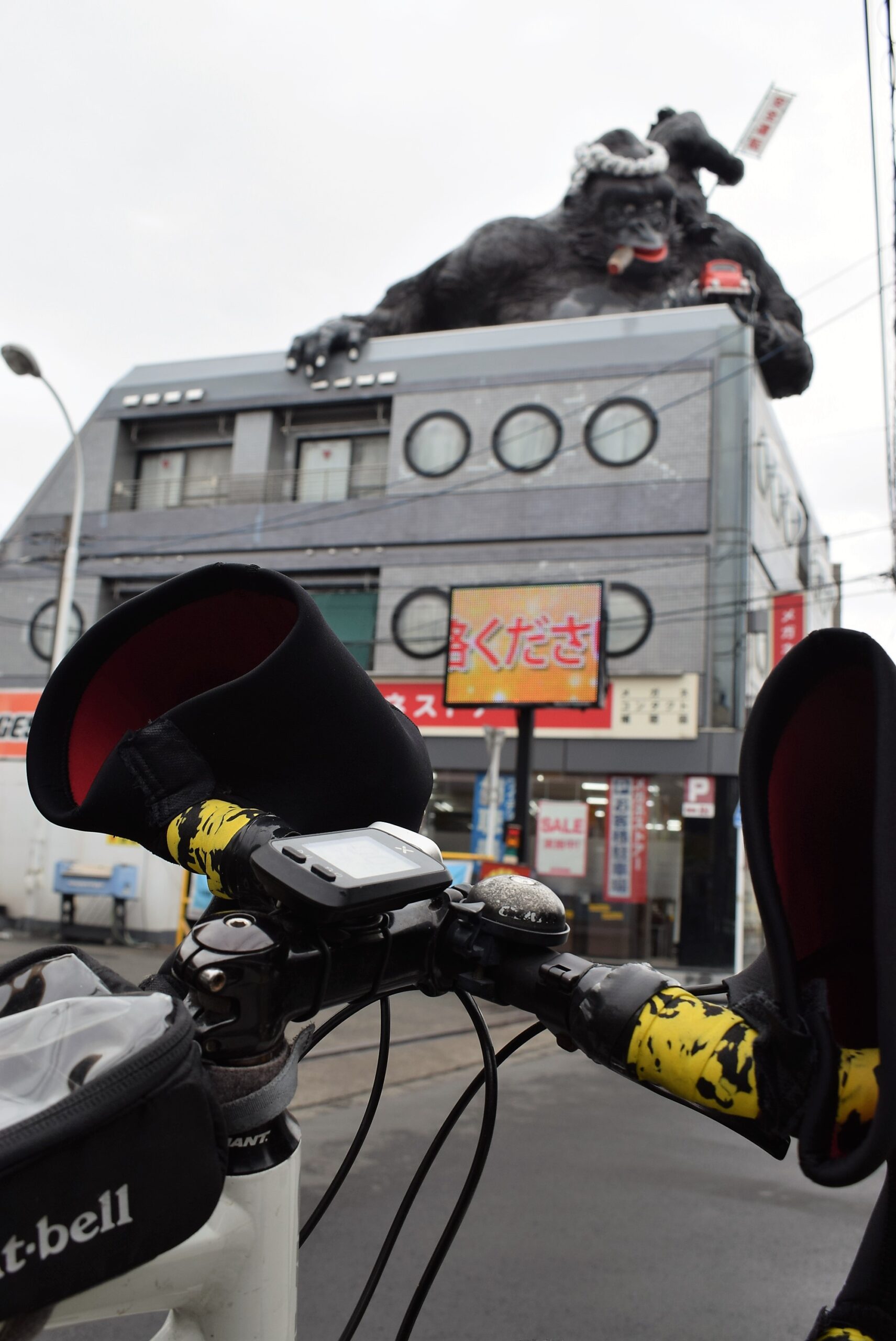
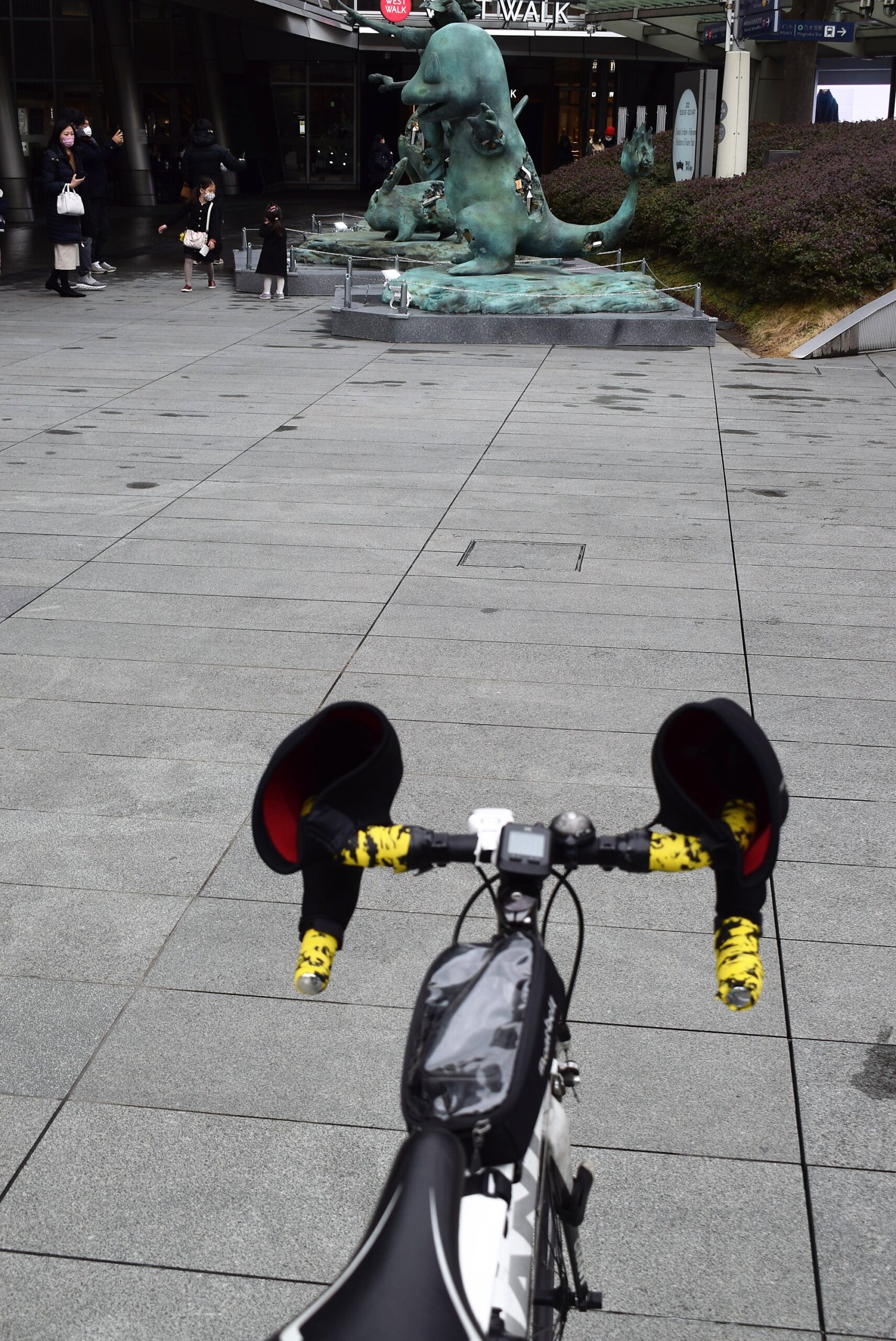
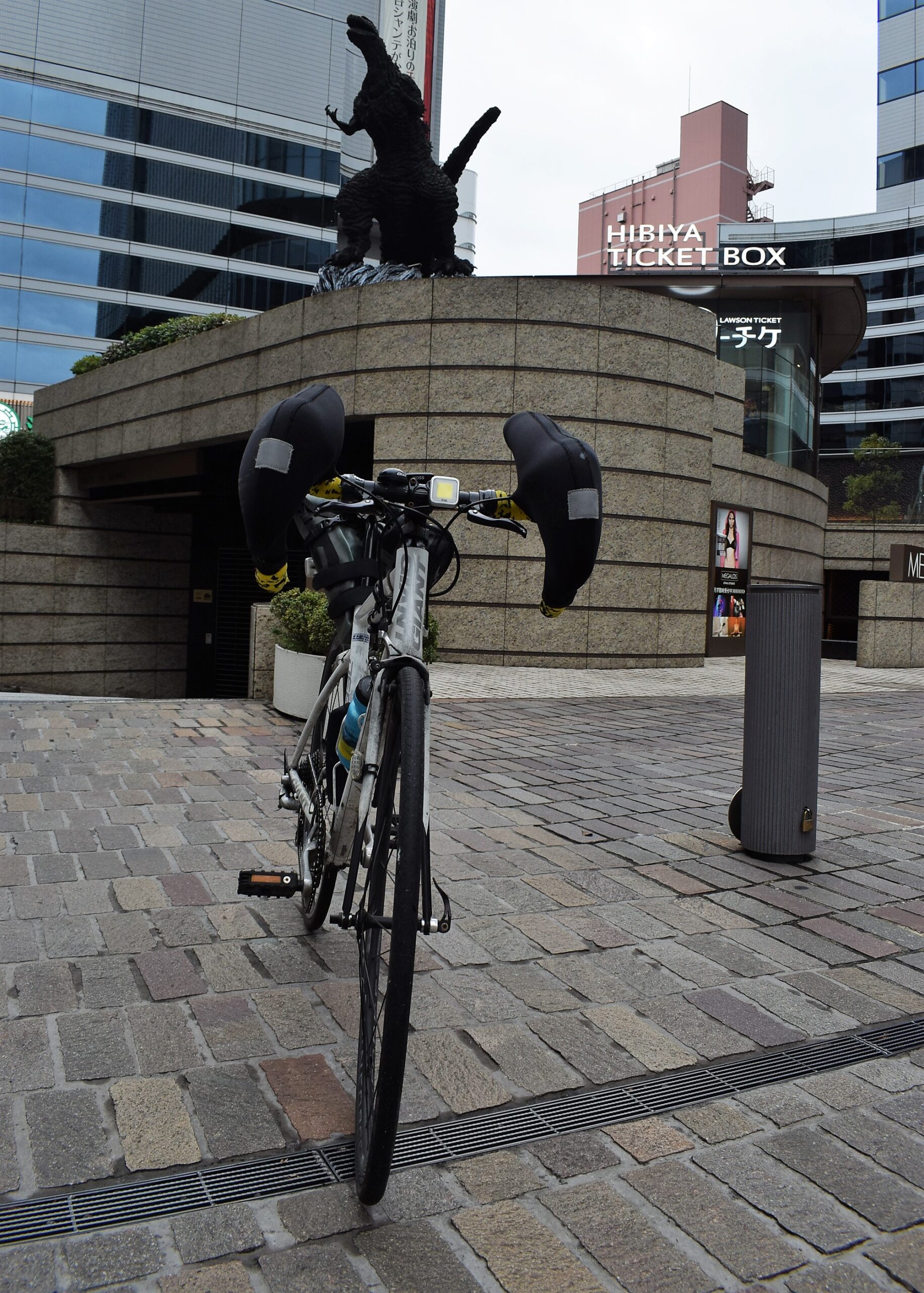
Would love to go around in milder weather. Moreover, there are still plenty of other monsters to find, in addition to live-sized robots and all sorts of kitsch culture in Tokyo. Warmer months could be fun.