Up There, Kazari!

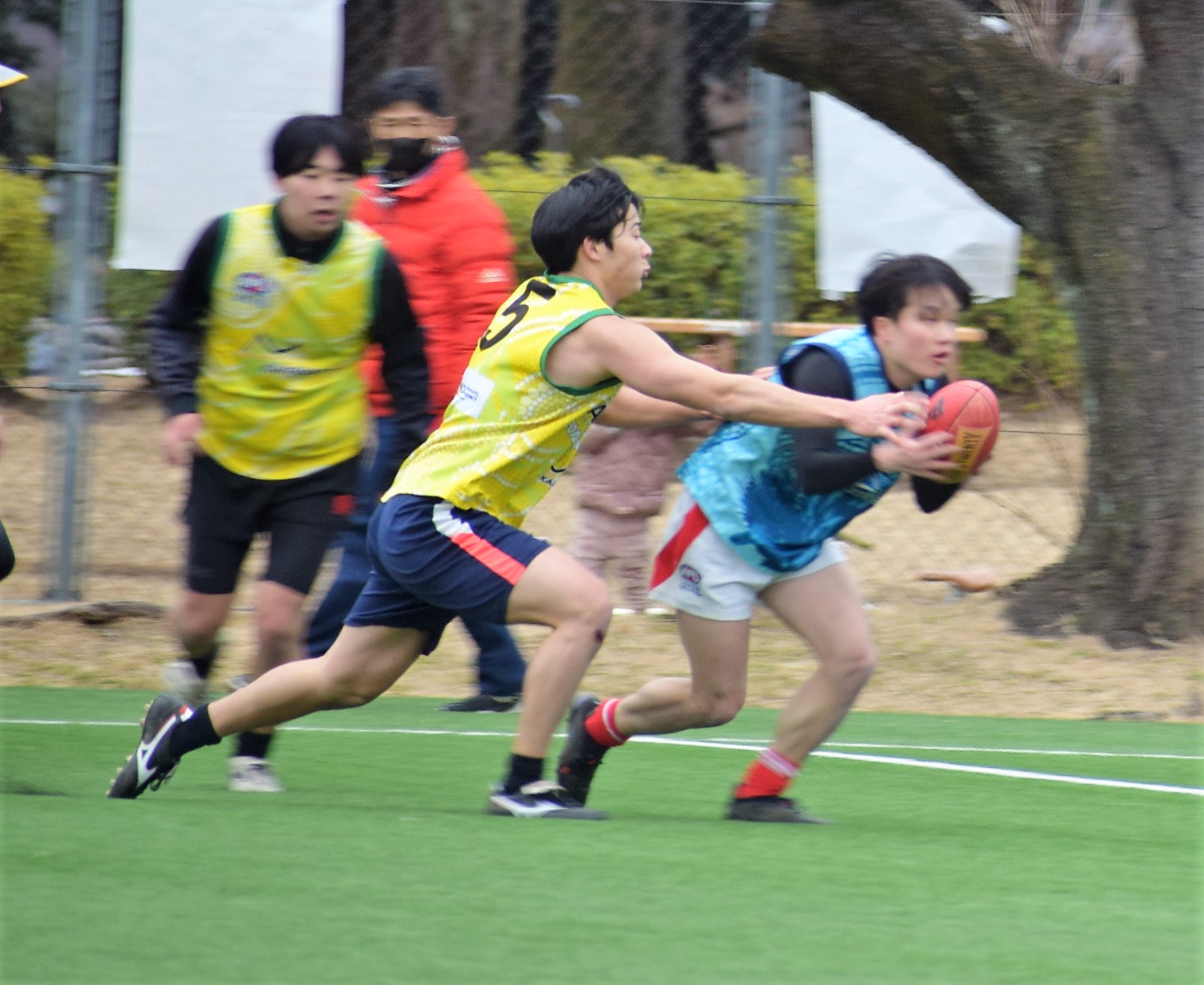
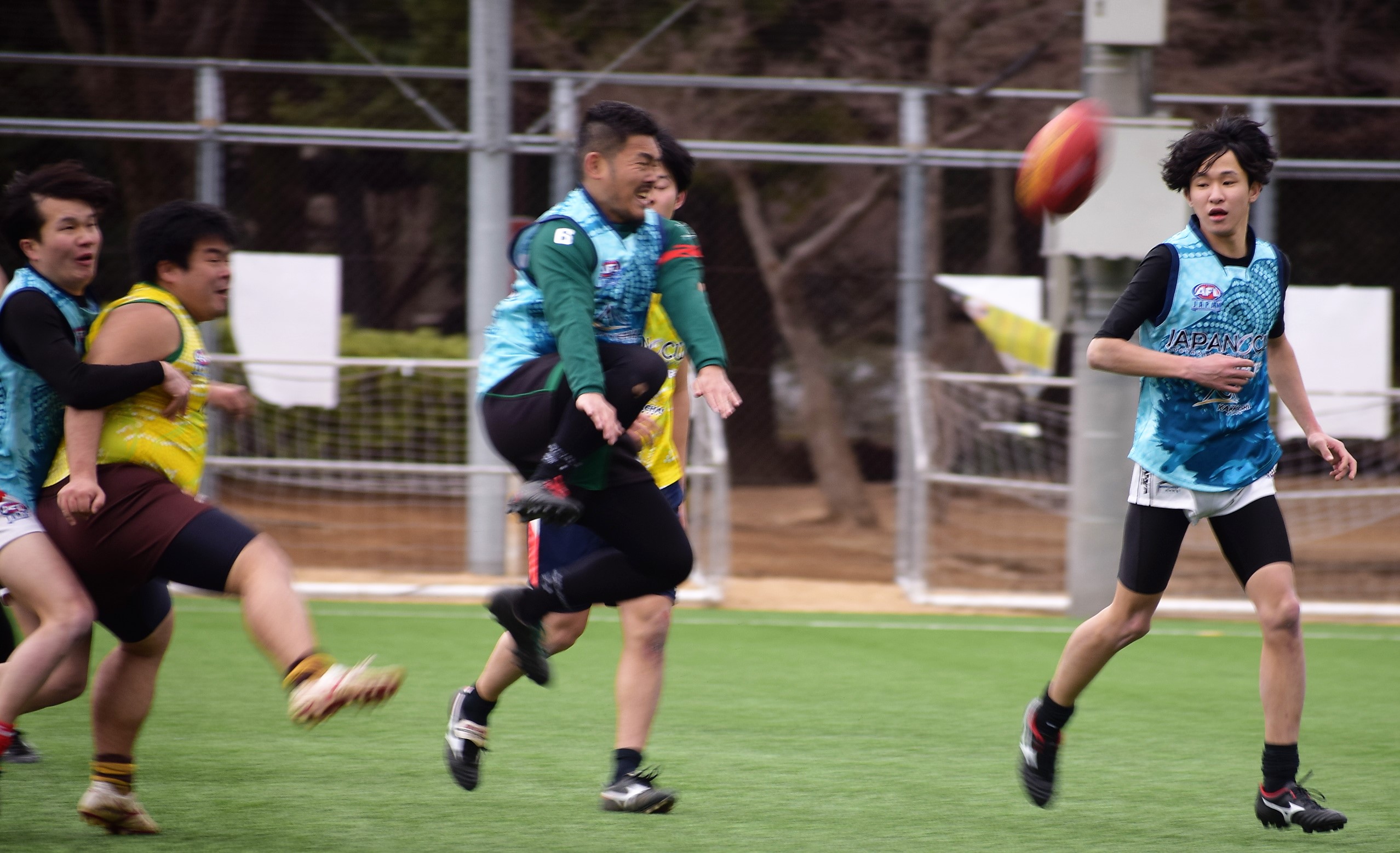
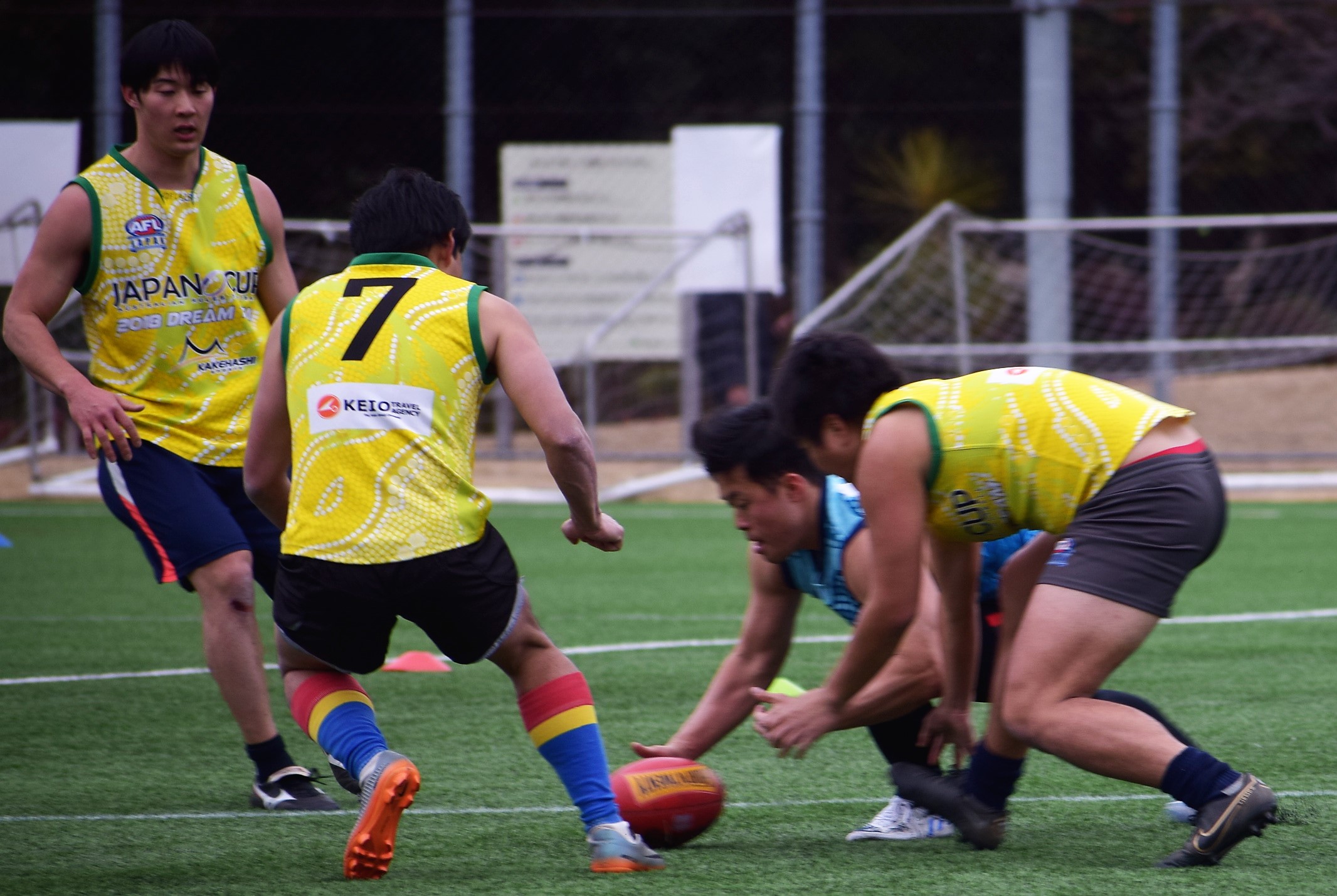
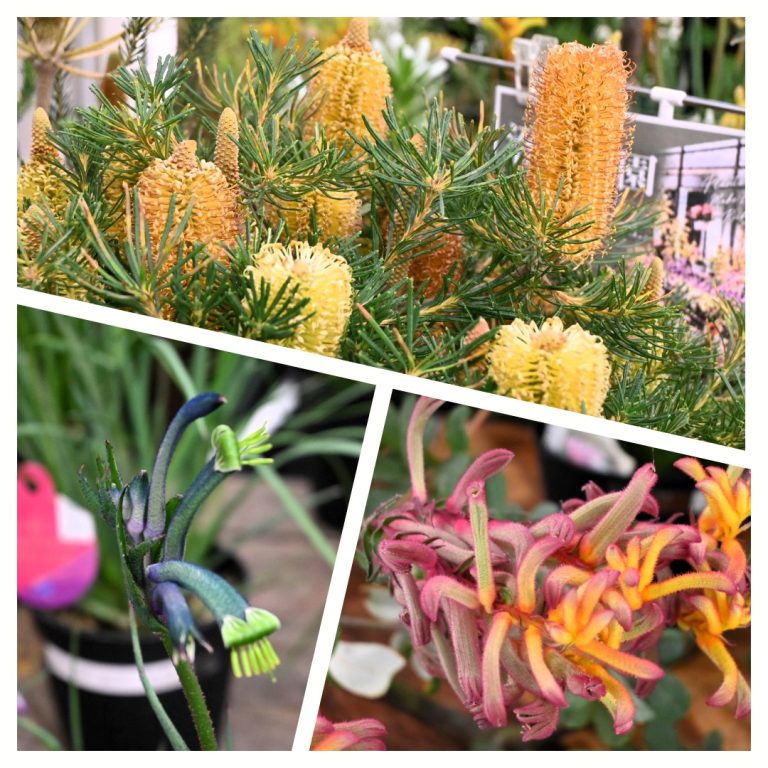
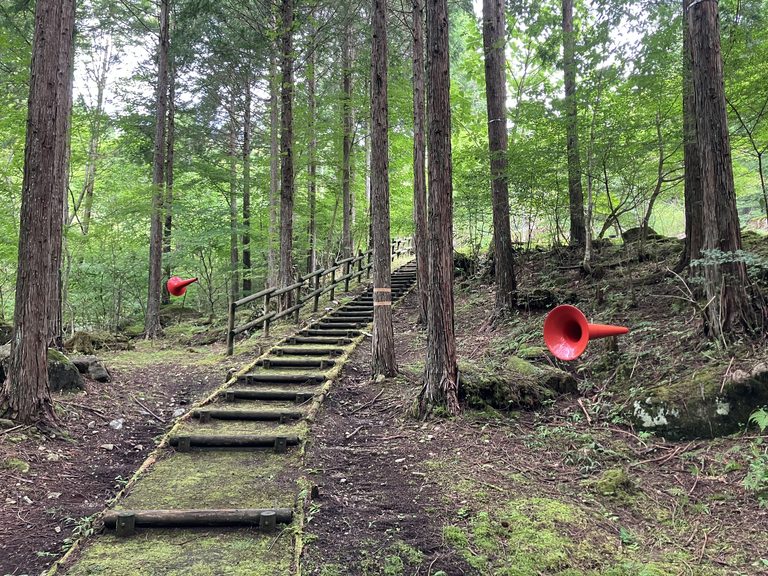
Australian Sports Day was a fantastic event held at Komazawa Olympic Park yesterday, and I got to go and enjoy some of the proceedings that were a decorative display, (or should I say kazari?), of some of Down Under’s favorite pastimes.

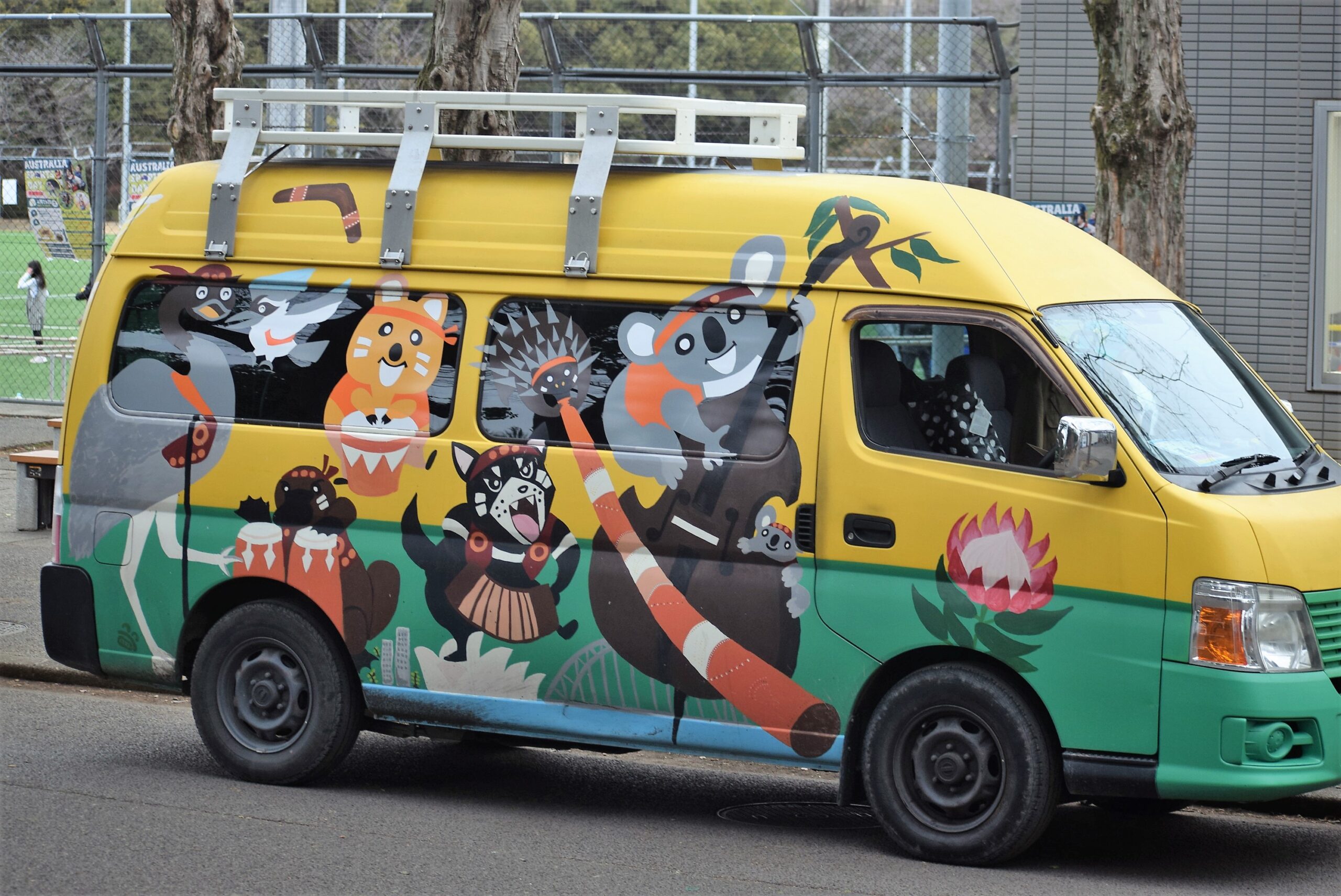
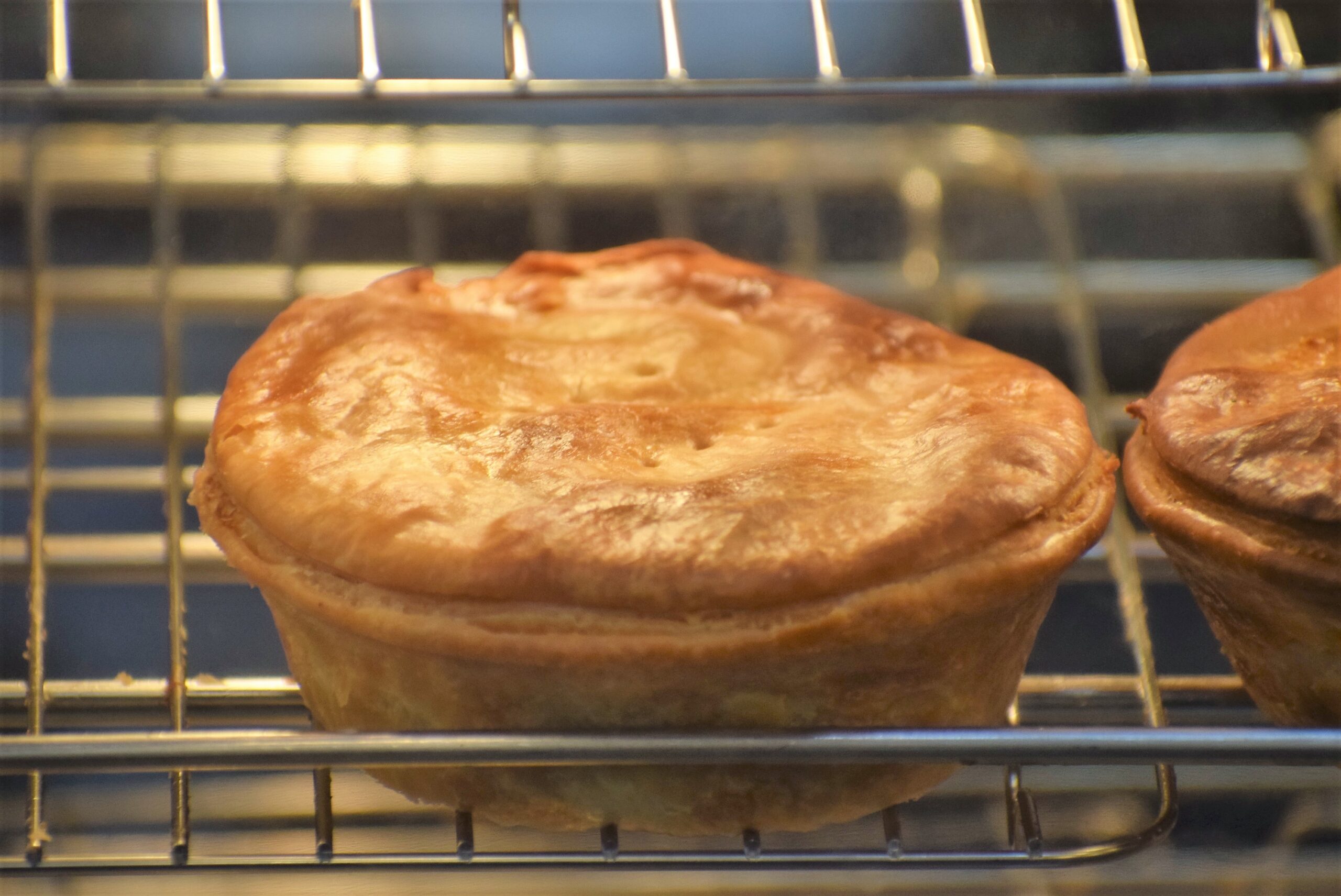
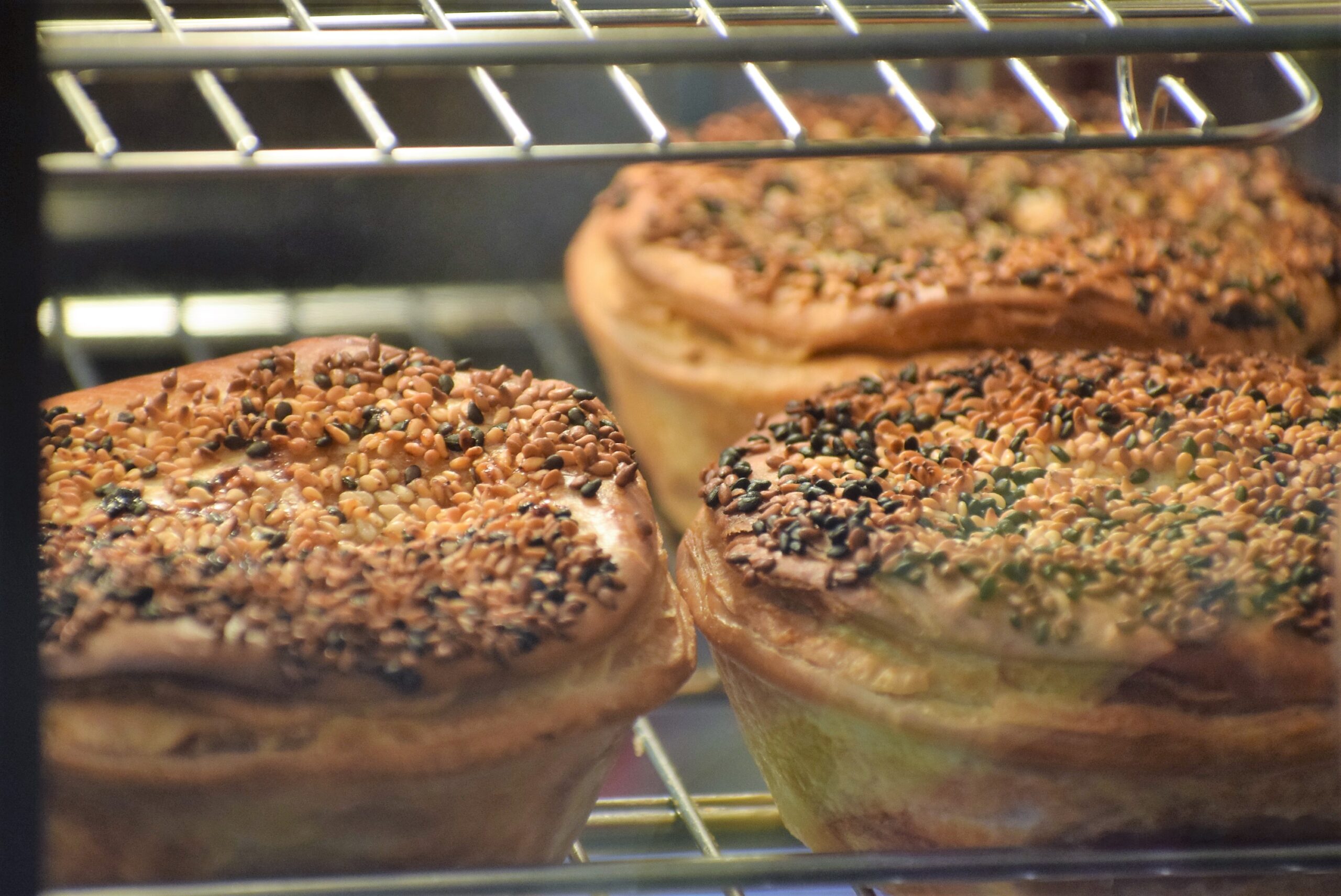
The day itself was a ripper, starting with explanations, demonstrations and games of cricket, moving on to games of footy and then ending with a netball exhibition, with sales of Aussie foods, wear and fare such as meat pies and banana bread and cuppas from Club Australia‘s Tad Watanabe and the Australia Cafe van.
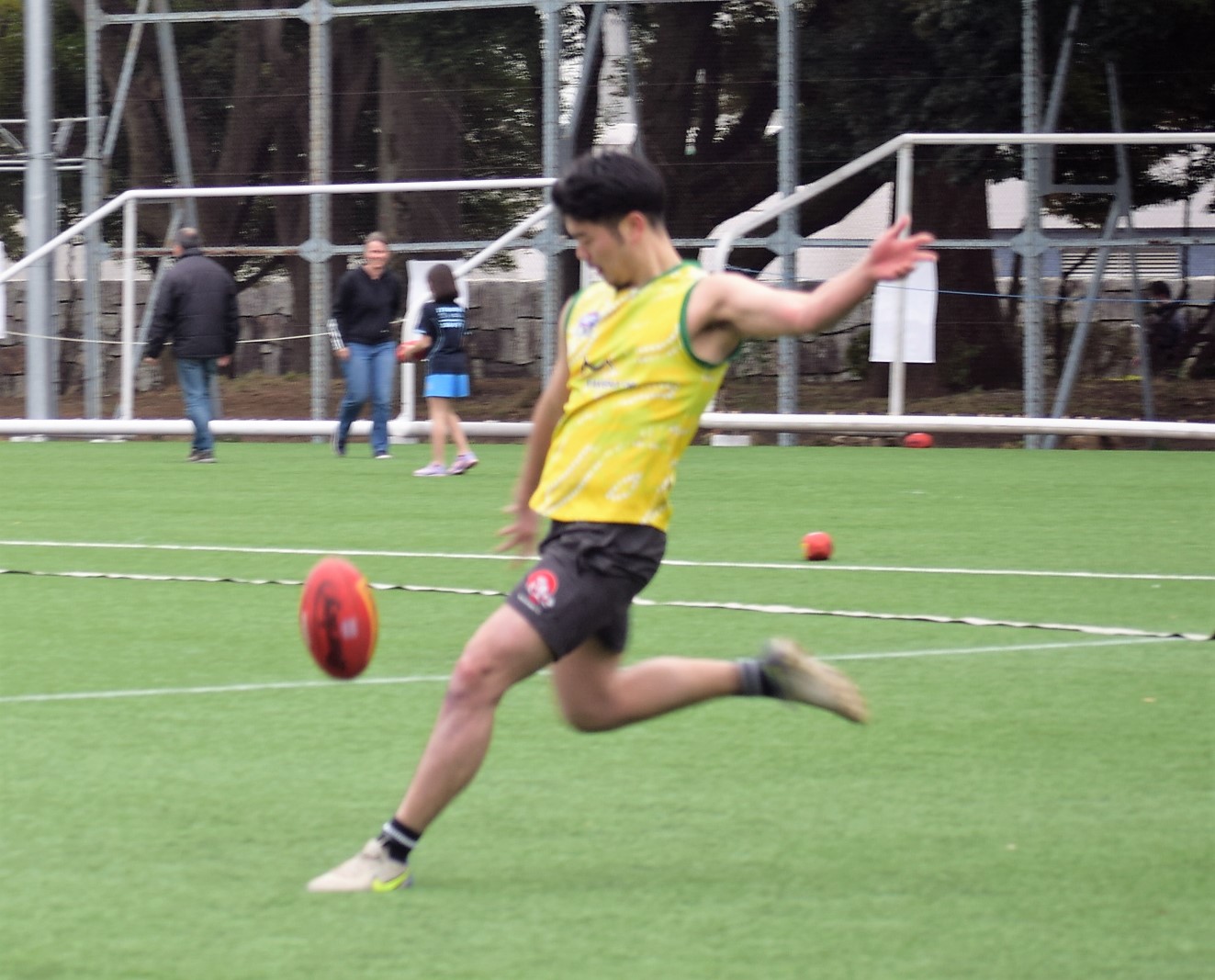
Needing to deal with duties in the garden and home and able to enjoy lunch with Mrs. Kangaeroo and our pet dinosaur, I was late starting out, but still got to see the last half of the final game of footy.
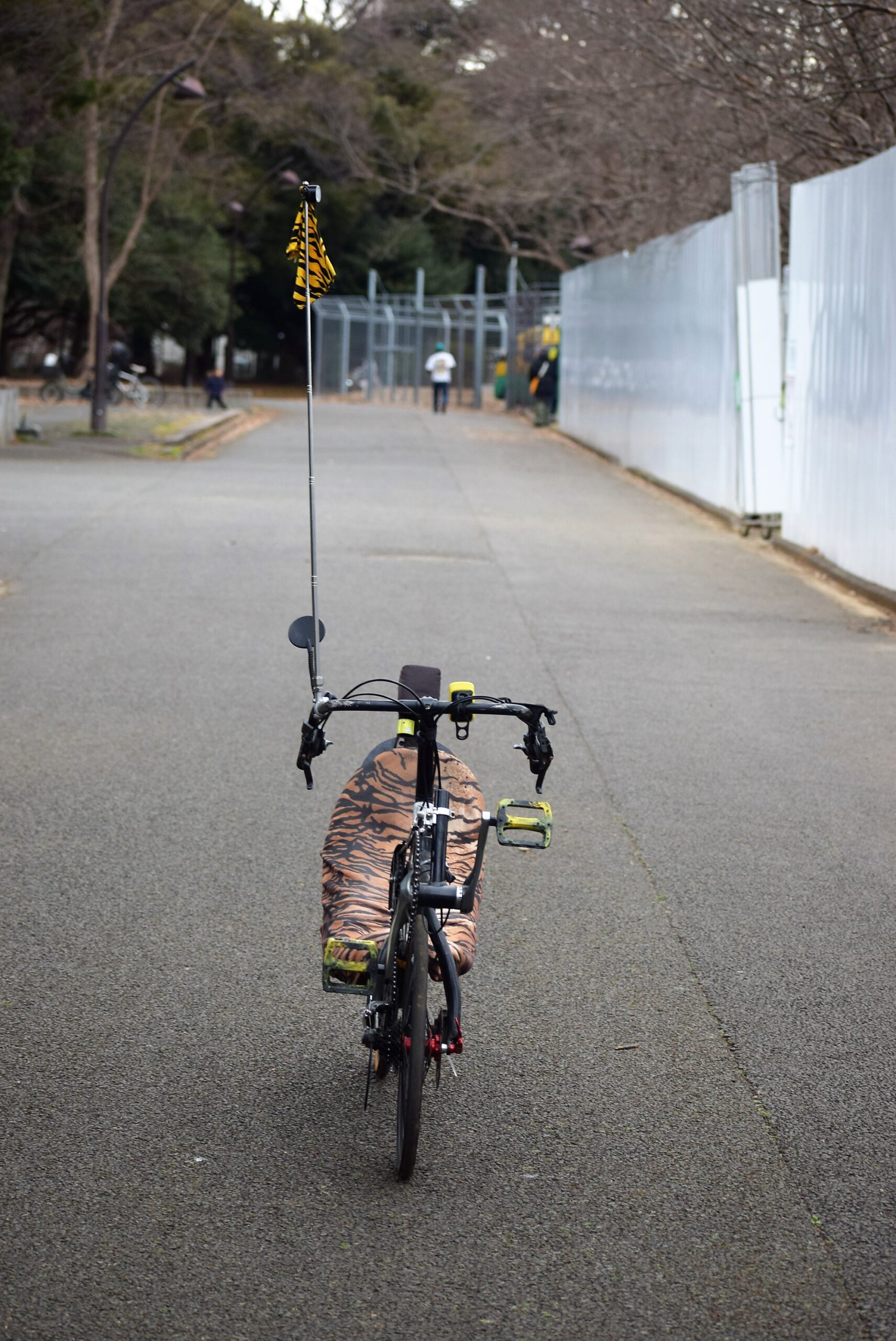
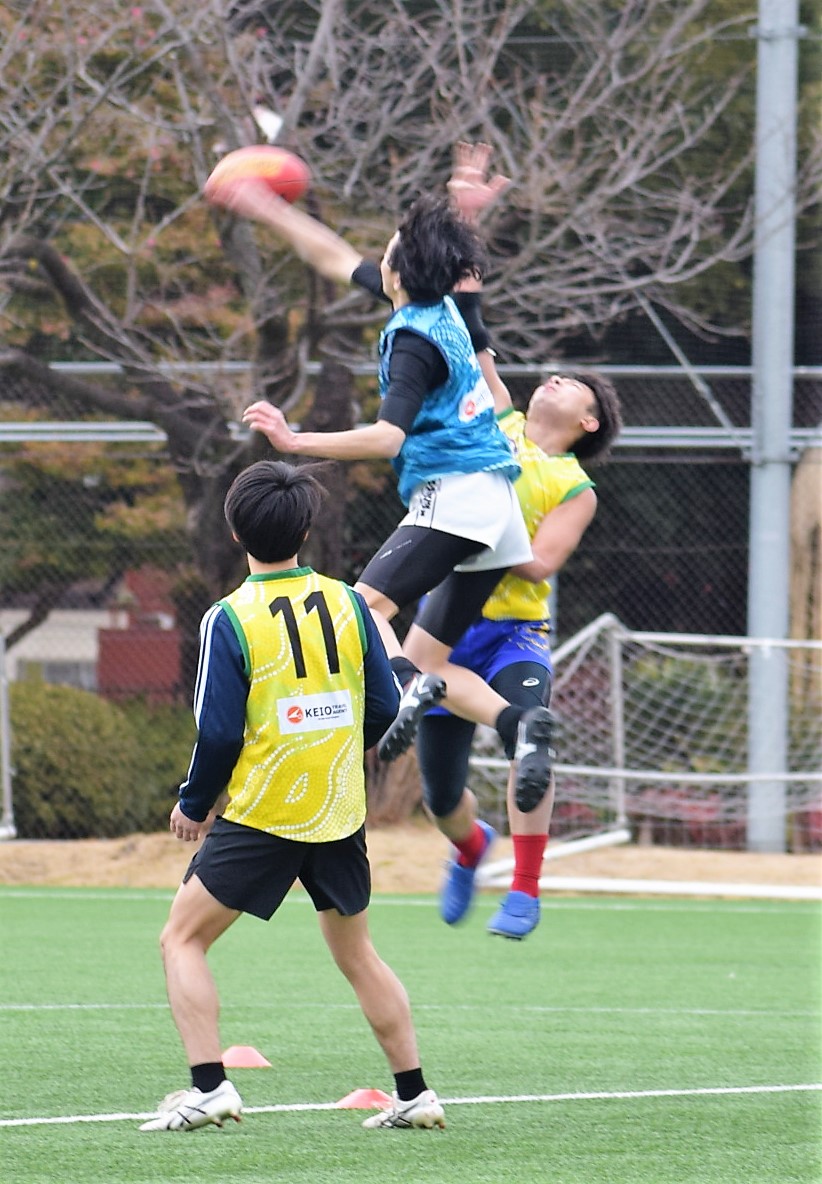
It was an entertaining match and the skill level was fantastic!

The fast-paced game was good to watch despite the swirling wind making judgment in the air a difficult proposition that challenged even the most skillful players.
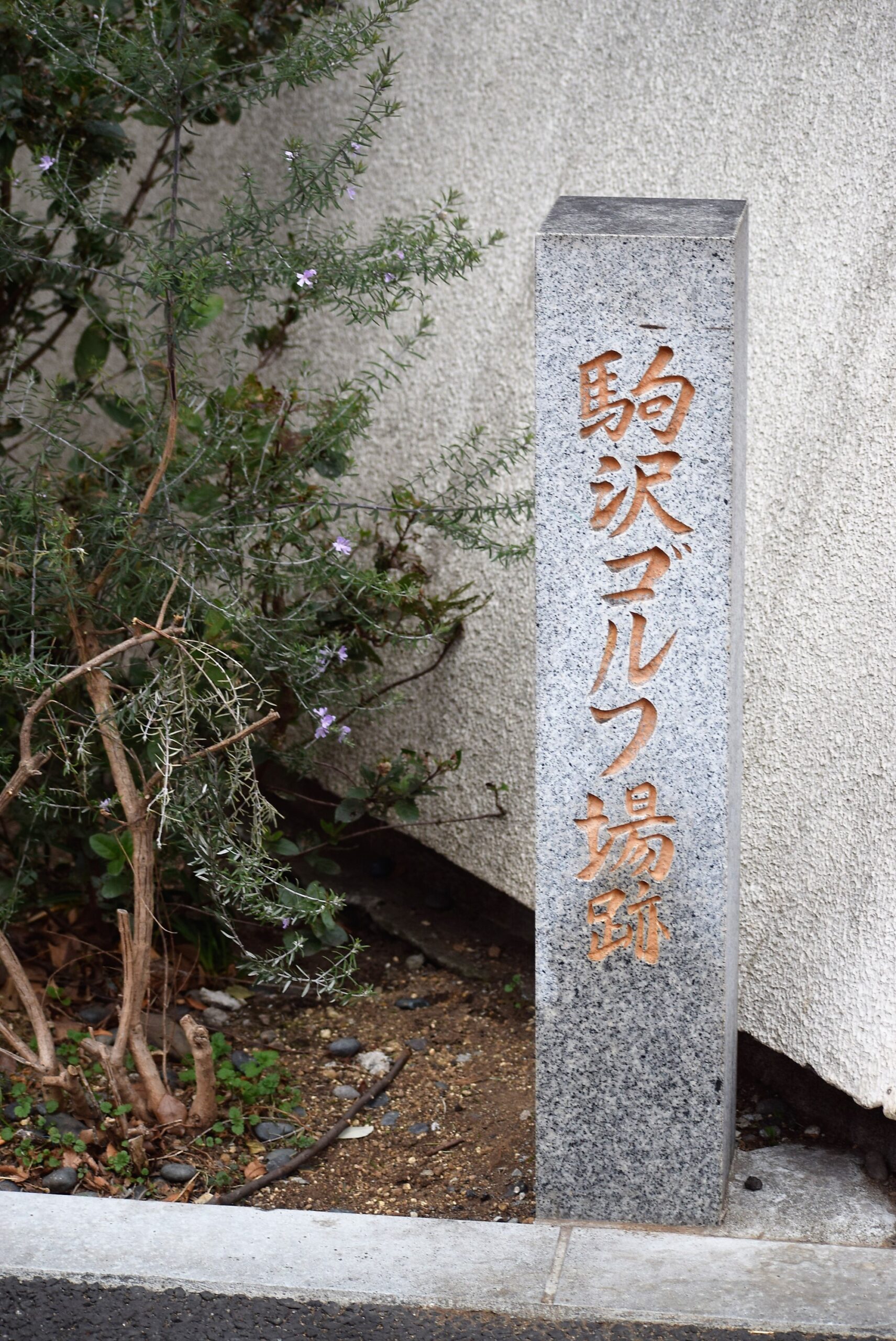
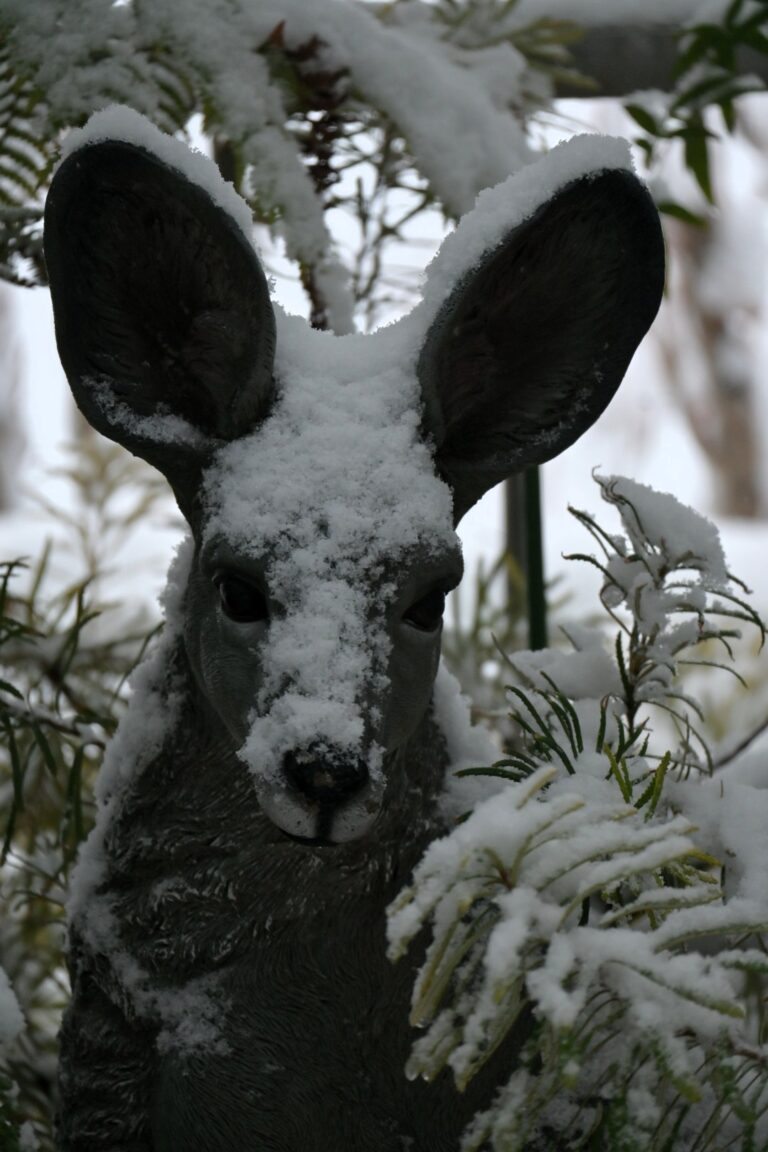
A memorial to the Komazawa Golf Club, which had originally been planned as the main stadium for the cancelled 1940 Tokyo Olympics (Aussie plant <bush rosemary> planted beside it, too!)

I stayed for some of the netball, but it was getting cold and dark and I needed to get home as I was riding the Death Machine, on which my average speed tends to drop by about 5kmh compared to a roadbike.
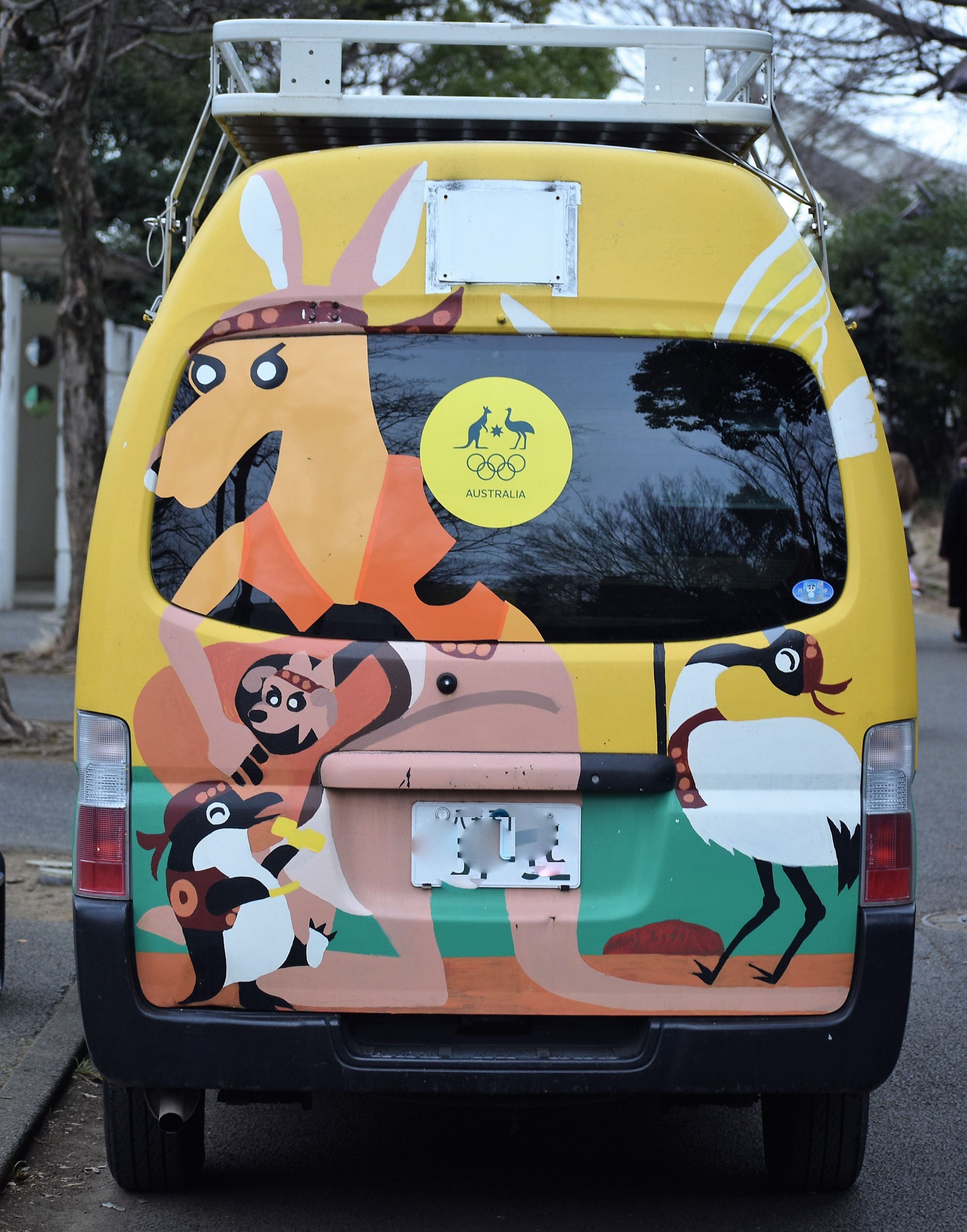
Being close by, however, I took advantage to drop by Punk Doily and say g’day to Kif for the first time in a while.

Along the way, I found the marker commemorating the old Komazawa Gol Club, where the park is now located, but which is notable for having been slated as the main stadium for the 1940 Tokyo Olympic Games, which ended up being cancelled.

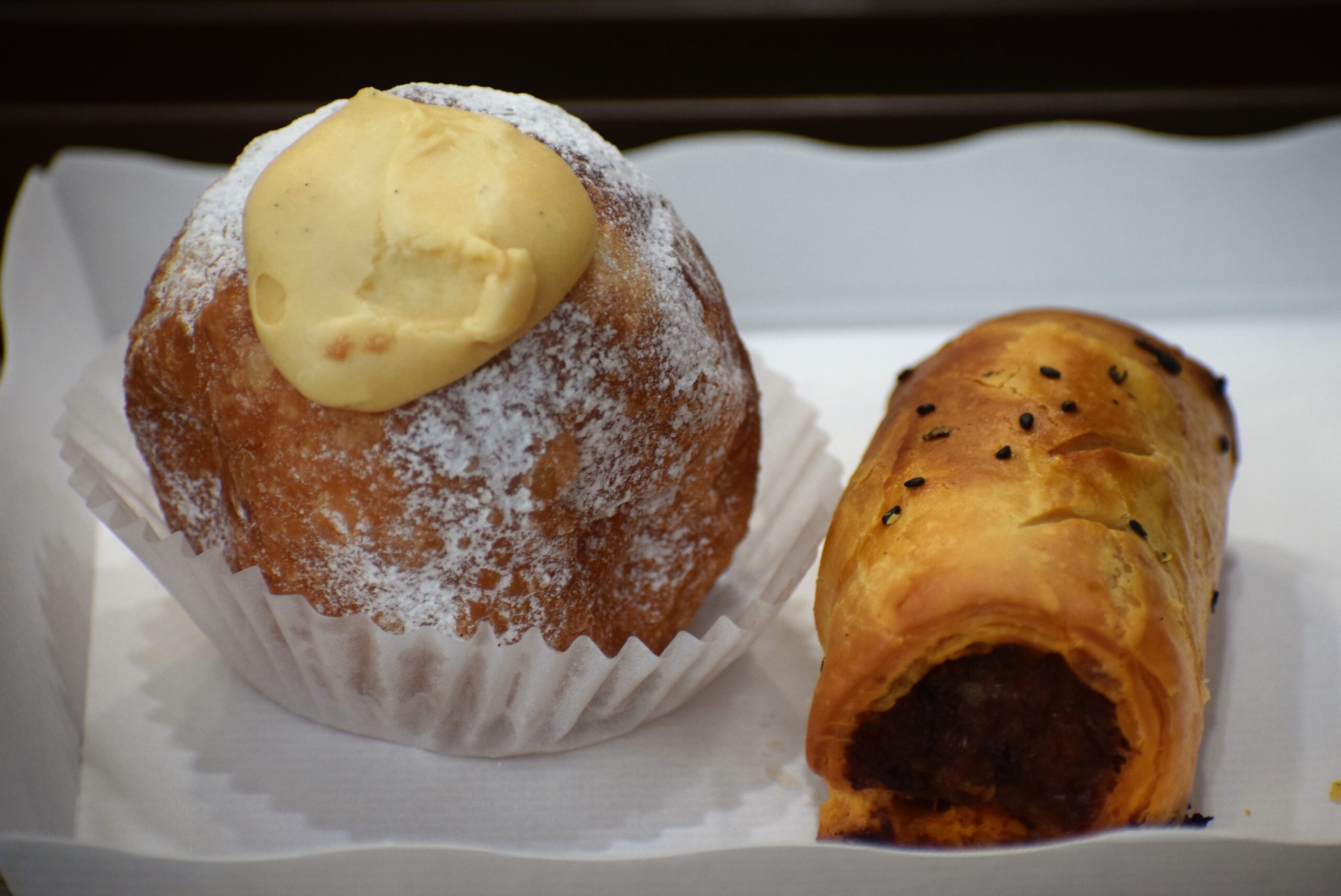
Kif has Punk Doily looking fantastic, having added a rooftop terrace and plenty of Aussie plants decorating the diner. His food was tremendous! I partook of a scrumptious lamb sausage roll and salted caramel brioche donut. It was top notch stuff, and wonderful to see how Kif’s business is doing so well. He has worked like a dog to get it this far and I look forward to seeing Punk Doily become even bigger.
Coming home was a really pleasant ride despite being into a fierce headwind. I was glad to have ridden a recumbent as they are less susceptible to headwinds than upright bikes, but it was still a hard slog.
At times I felt like I was going to get blown off the bike, so put safety first and was delighted to make it home unscathed.

Riding along through the streets I was enjoying the fact that I would be getting some decent footage, which was also giving me good vibes.
Less pleasing, however, was making it home to discover that I hadn’t set my video camera to upside-down mode and that the battery had run out almost immediately after leaving Punk Doily.

Cop A Gander At These Rippers Too...

  • |

    Tokyo’s Strange Socceroos

    Japan has a strange affinity when it comes to using Australian animals for its advertising. A number of major Japanese corporations use koalas and roos to plug their products and services. One with a difference is Hayashi Corporation, a construction company with a history of over 100 years and based in suburban Tokyo. Hayashi Corporation’s Fuchu branch office entrance is adorned with photos of a family of cartoon kangaroos decked out in soccer gear, just like Australia’s national football team, the Socceroos. Japan’s next opponent in World Cup qualifying is Australia, but there’s no connection. What is interesting to note, though, is that the kangaroos had been painted over until…

  • | |

    How Did Japanese Shellfish Help Aussie Harvesters Realize The World Was Their Oyster?

    日本のカキはオーストラリアのカキ産業をどう変えたのか? Aussie oysters are famous around the world. Few people realise that one of the industry’s biggest turning points began in Japan. A tiny shellfish—and decades of scientific cooperation—helped reshape Australian aquaculture. オーストラリア産のカキは世界的に高く評価されています。しかし、その発展の大きな転機の一つが日本にあったことは、あまり知られていません。一つの小さな貝と、長年にわたる日豪の科学協力がオーストラリアの養殖業を大きく変えたのです。 An Industry Faces New Challenges 転機を迎えたオーストラリアのカキ産業 For generations, Australia’s oyster industry relied on the native Sydney rock oyster. It remains one of the country’s finest seafoods. But during the 20th century, growers faced disease, slow growth and changing environmental conditions. They began searching for new ideas. 転機を迎えたオーストラリアのカキ産業 長年にわたり、オーストラリアのカキ産業はシドニーロックオイスターを中心に発展してきました。 現在も高級食材として親しまれています。 しかし20世紀になると、病気や成長速度、環境の変化など、新たな課題に直面しました。 生産者たちは新しい可能性を探し始めます。 Looking to Japan 日本に学ぶ Japan had centuries of experience cultivating oysters. Its farmers had developed efficient methods for collecting oyster spat, raising young oysters and managing…

  • |

    How Do Japanese Students Help Preserve Aussie Nature?

    日本人留学生はどのようにオーストラリアの自然保護を手伝うのか? Every autumn, groups of Japanese students trade classrooms for gum forests, beaches and wetlands. Their goal isn’t sightseeing. They’re helping protect Australia’s unique environment while discovering a different side of Aussie life. 毎年秋、多くの日本人留学生が教室を離れ、ユーカリの森や海岸、湿地で環境保全活動に参加しています。観光ではなく、オーストラリアの自然を守りながら、地域との新しい交流を育んでいるのです。 Learning Beyond the Classroom 教室の外で学ぶ Many Japanese students come to Australia to improve their English. Some discover that their most valuable lessons happen outdoors. Working alongside local volunteers, they remove weeds, plant native trees and restore wildlife habitat. 教室の外で学ぶ 日本人留学生の多くは英語を学ぶためにオーストラリアへやって来ます。 しかし、本当に印象に残る学びは教室の外で待っていることもあります。 地域の人々と一緒に外来植物を取り除き、在来樹木を植え、野生動物のすみかを守っています。 Friends Through Conservation 自然保護が結ぶ友情 Conservation projects bring together people who might never otherwise meet. Retired Aussies, school children, university students and overseas visitors all work towards the same goal. Conversation comes naturally when everyone…

  • | |

    先住民がカカドゥ国立公園をさらに安全化

    大、大、大好きの編集者である都築響一のフェースブック・ページから得た情報だが、オーストラリア北部ノーザン・テリトリーにあり、世界遺産であるカカドゥ国立公園内クーンガラ地区がが世界遺産指定エリアに入り永遠に守れるようになる。  日本発信旅行ブログOnTimeによるとカカドゥは、ウランが大量にあり、オーストラリア経済に有力ある鉱業がどうしても掘り出したがっているが、先住民のジェフリー・リー氏がずーとクーンガラを守って行こうとした。  詳しくはOnTimeへ(日本語)

  • | |

    Japan’s Mobs Of Macropod Motifs Missing Marsupials In Masterpieces

    Something strikes me about kangaroos in Japan, where companies like Seino and Nikko Kanko have made the marsupials highly visible. Kangaroos are possibly even higher profile than their native Australia, where Qantas uses the national symbol in its logo, but the macropod is a somewhat uncommon sight elsewhere in the corporate sector. I wouldn’t go so far as to say kangaroos are a ubiquitous presence in the Japanese retail or corporate sector, but it would be no exaggeration to claim they are a daily presence. Far more so, actually, than they are in Australia. That got me to thinking about the presence of kangaroos in the Japanese art world, which…