南天は難点…Or, Farewell Heavenly Bamboo!

Kangaeroo Corner, our garden, is basically filled with Aussie native plants, but there were a few trees and plants there when we came to live here, and they have largely remained, including the nandina, also known as heavenly bamboo. Unfortunately, her presence in the garden proved far from heavenly.

The nandina, or nanten in Japanese, is a very popular plant in Japan, where it is native, as it is throughout east Asia.
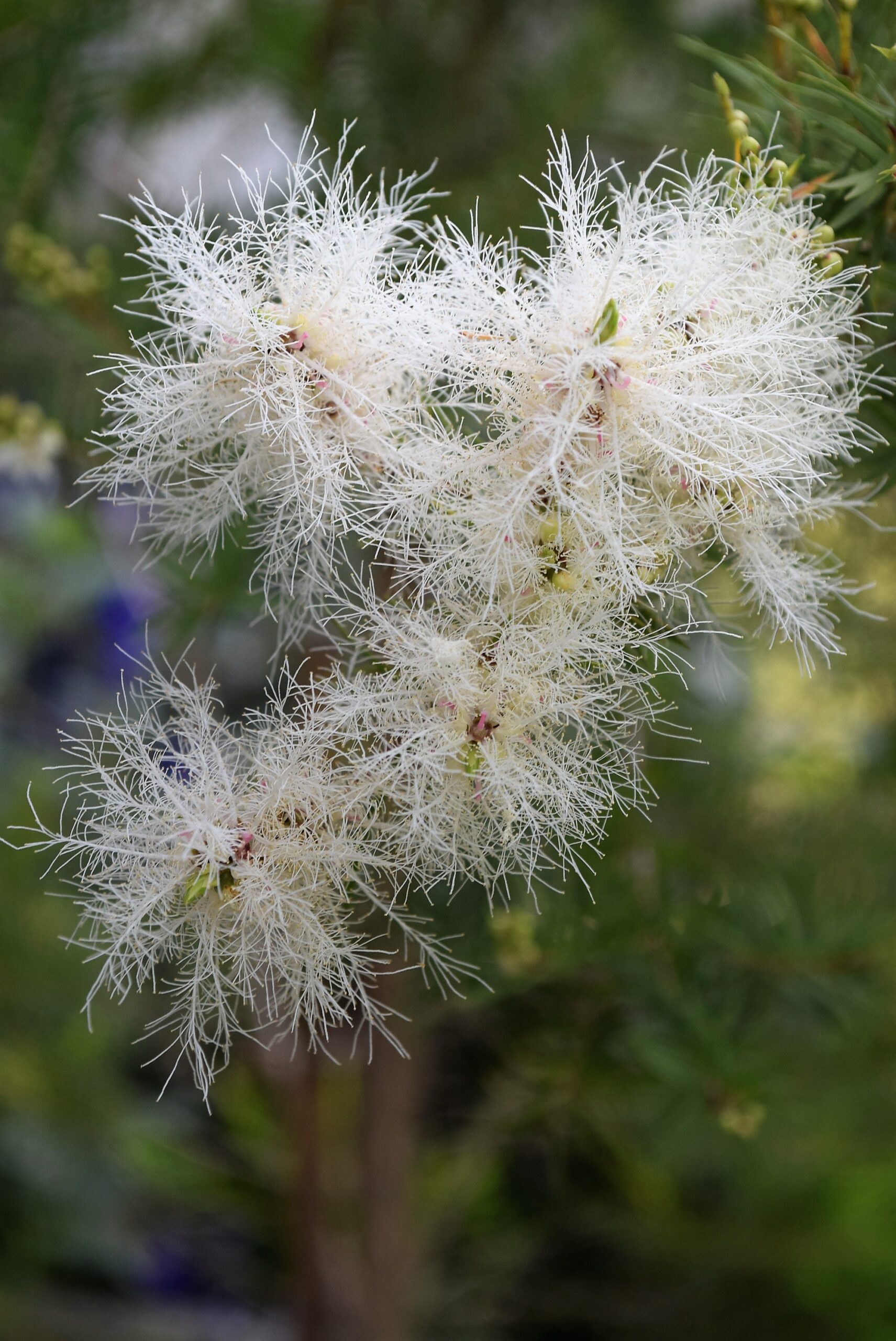
Despite its name in English, it’s not a bamboo, but a shrub.

But it grows like a bamboo–fast and powerfully–and that’s why we’re saying good-bye to her.

Today we will call in an arborist and ask him to remove the nandina.

The nandina’s roots extended throughout the garden filled with Aussie plants.

One of them wrapped itself around the tree fern’s root ball, effectively killing it.

And the nandina roots were spreading toward other trees, too.

So there was no other option.

Out she goes. I feel a bit guilty. But less so after I learned that she is also toxic to creatures.

And, in her place, will be a new attempt at growing a tree fern.

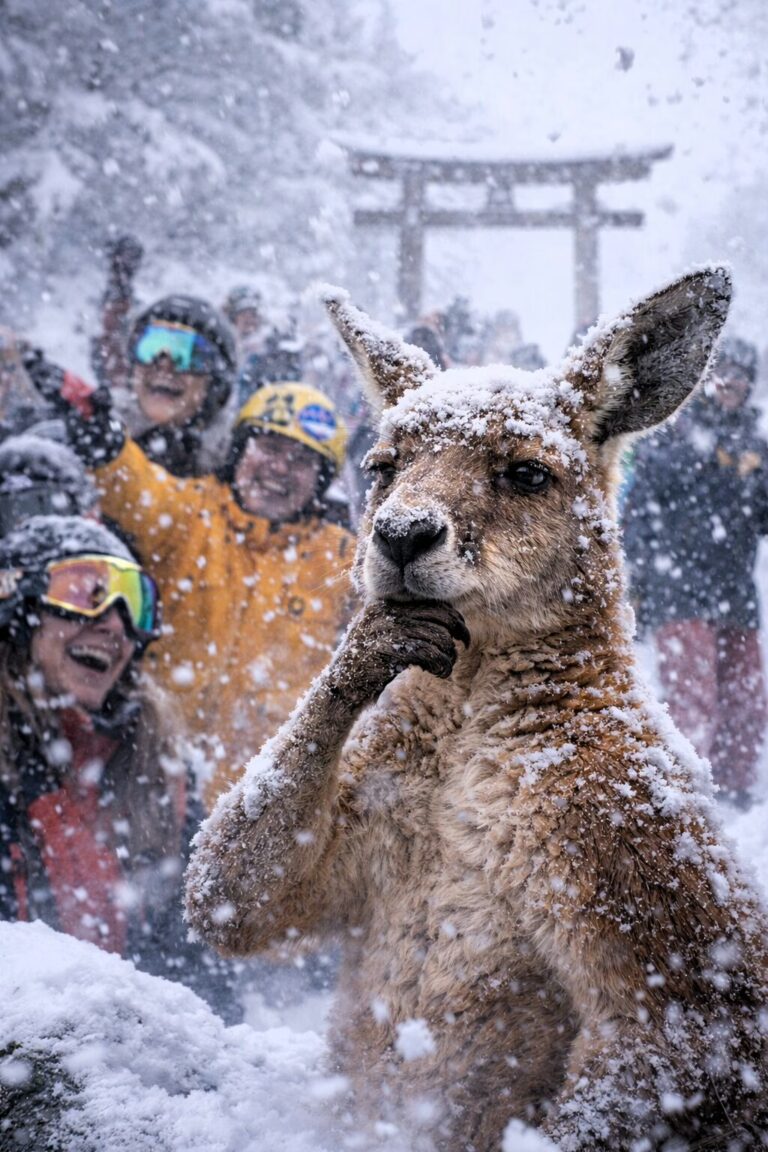
And I’m adding this photo from the morning ride just because I love it, even though it has nothing else to do with the entry. Also got some great pheasant shots that I will add to yesterday’s post!

Postscript: The nandina is being removed as I write and the situation is much worse than I had imagined. Just as it had done with the tree fern, the nandina’s roots have strangled the root balls of at least the golden wattle and possibly the alpine cider gum, or both. I couldn’t look. Both threatened trees had appeared to be thriving. Removing the nandina may also kill these trees, or one of them, probably the golden wattle, based on proximity. It was heartbreaking. But, taking the troublesome tree out of the equation means the others may still have a chance. They would have been doomed otherwise.

Cop A Gander At These Rippers Too...

  • |

    RIP to a Ripper Bloke, Bob Hawke

    Australia’s last man of the people to become prime minister is no longer. Robert James Lee “Bob” Hawke died earlier this week, just two days before his beloved Australian Labor Party is expected to re-take office in the May 18 federal election following six years of misrule by an incompetent Liberal–National Party coalition government. Hawke was 89. He was a popular prime minister whose time in office went from 1983 to 1991. He remains the longest-serving Labor prime minister in Australian history. Hawkey didn’t really have much to do with Japan during his time in office. Perhaps the closest project involving Japan was the disastrous Multifunction Polis proposal that sparked…

  • Summertime Blues….er, Browns?

    Summer in Tokyo this year was just how I like it: boiling hot and dry, probably the driest I have experienced in 35 years of living in the Japanese capital. But while I loved the heat, my garden in Kangaeroo Corner had mixed feelings, especially the lawn that went from vibrant green to burned brown. Trees thrived! Most delightedly, the jacaranda we had written off as dead in the spring powered back into life and is now one of the tallest growths on the block. The “branch” silver wattle goes from strength to strength and the golden wattle beside it is flourishing. All the grevilleas, bottle brush and myrtles grew…

  • |

    Jacaranda Journey Provides Purple Haze

    Mrs. Kangaeroo and I woke up early, let the dinosaur roam free for a while to stretch her wings, then headed off to Atami for one of Japan’s few jacaranda festivals. We’ve got a jacaranda in our garden and it has proven to be pretty fickle, so I was very interested to see how more experienced, more skillful gardeners such as those good enough to hold a festival centered on the trees would handle the South American natives. And it was interesting, indeed, because the 100-odd trees the city has grown in the 34 years since being presented with a pair of jacaranda from its Portuguese sister-city, Cascais. (My memories…

  • We Are Not Emus-ed

    Emus are huge, flightless birds endemic to Australia. They’re also featured on the country’s coat of arms, together with the kangaroo, with both creatures selected because they are physically incapable of taking a step backward, meaning they can only advance. Emus are one of Australia’s myriad glorious birds and trail only the ostrich as the world’s largest birds. They’re also capable of running up to 50 km/h! The link with dinosaurs also becomes pretty obvious just by looking at these creatures. Emus are also known to have controlled the late British comedian Rod Hull.