ええ?日本語でオージー英語?What? Strine in Nihongo?

 ええ?オージー英語(豪語)の中では日本語もあるって?信じられない!でも、数少ないながら、本当にある。それに、同一意味や使い方の言葉もある!日本語とオージー英語の共通実例を紹介します。
Bush Dunny

日本語豪語豪語の意味
ダニDunnyトイレのこと。特に屋外トイレ。
鱪(シイラ)Shiela(蔑)女のこと。(侮辱的に受ける人が多いが、未だによく使われている。豪語の典型的な例としてよく取り上げている。)
立派Ripper立派!どんな最高や素晴らしいことに対して言える。しかし、豪語以外の英語では、ripperは、「切り裂き」(例:切り裂きジャック=Jack the Ripper)という意味しかなく、使用要注意!
おい!Oi!人を軽く呼ぶ時に使う言葉。これも、日本語とまったく同じような使い方。豪語独特の使い方なので、豪語・日本語以外に通用しない。
蕨Wallaby小さくて太いカンガルーの親せき

Strine Dictionary

Cop A Gander At These Rippers Too...

  • |

    Ringo’s Ring-in, Awesome Aussie Anime Highlight the Fab Four’s Oz Oddities

    Just as the Beatles created an iconic scene with their 1966 arrival in Tokyo wearing traditional Japanese happi coats, so too did the Fab Four make waves when they toured Australia two years earlier at the height of Beatlemania and establishing a quirky relationship with Down Under at the same time.  羽田空港にてハッピー姿で飛行機から降りたビートルズが日本で1996年講演の代表的な場面となった同様、その2年前オーストラリアに訪ねた時も「豪州らしい」イメージがあると同時に同バンドがオーストラリアとの一味違う関係を築いた。 Australia’s archetypical Beatles image features the Fab Four standing around while holding didjeridoos, an indigenous Australian instrument that Ringo Starr on the far left of the picture appears to be tackling with greater fervour than bandmates Paul McCartney, John Lennon and George Harrison.  その典型的な「オージーっぽい」場面は、1964年6月に撮られた4人が豪州先住民の楽器であるディジェリドゥを吹いている写真だ。立派な写真だが、問題が一つあった。 It’s a great pic, but the only problem is that Ringo’s involvement in the…

  • No Flies On Why Sharp Aussies Never Sit Still

    Why would Aussies compliment someone’s intelligence by talking about insects that aren’t there? なぜオーストラリア人は、そこに「いない」虫の話で相手の賢さを褒めるのだろうか? In the paddocks of 1840s colonial Australia, stockmen noticed something about their cattle: the laziest, slowest animals attracted swarms of flies, while the sharp, active ones moved around too much for any fly to settle on them. From that simple bit of bush observation came one of Australia’s oldest surviving slang phrases, and it was exporting itself to the U.S. and Britain within a few decades. 1840年代、植民地時代のオーストラリアの牧場で、牧夫たちは牛について面白いことに気づいた。動きの鈍い牛にはハエがたかるが、活発に動き回る牛にはハエがとまる暇がない、というのだ。この素朴な観察から生まれたのが、オーストラリアに現存する最古のスラングのひとつであり、数十年のうちにアメリカやイギリスにも輸出されていった。 Meaning “No flies on [someone]” means that person is sharp, alert, and not easily fooled — the exact opposite of a “drongo.” It’s almost always used as a compliment….

  • Why Do Aussies “Spin A Yarn”?

    Aussieが「Spin a Yarn」と言うのはなぜ? 「毛糸を紡ぐ」わけではありません キャンプファイヤーを囲んでいると、一人が昔話を始めました。 カンガルーに追いかけられた話。 片手で巨大な魚を釣り上げた話。 ヘビと格闘した話。 話が終わると、誰かがニヤリと笑って言いました。 “You’re spinning a yarn!” もちろん、本当に毛糸(yarn)を紡いでいるわけではありません。 spin a yarn は、「面白おかしく話を盛る」「ホラ話をする」「長々と昔話を語る」という意味のStrineです。 Expression spin a yarn 発音 /spɪn ə jɑːn/ Meaning 面白く話を盛ること。 ホラ話をすること。 聞き手を楽しませるように物語を語ること。 必ずしも「ウソをつく」という悪い意味ではありません。 事実を少し大げさにしたり、ユーモアを交えたりしながら話を聞かせることを表します。 Example Grandad loved spinning a yarn about his days in the Outback. 「おじいちゃんはアウトバックで過ごした若い頃の話を、面白おかしく聞かせるのが大好きだった。」 また、 I don’t know if it’s true or if he’s just spinning a yarn. と言えば、 「本当の話なのか、それとも話を盛っているだけなのか分からない。」 という意味になります。 日本人ならどう言う? 日本語なら、 などが近い表現です。 ただし spin a yarn には、「みんなを楽しませる語り部」という温かいイメージがあります。 Aussie × Japan 広大なアウトバックで働く人々や長距離を旅する人たちは、夜になると焚き火を囲み、お互いの体験談を語り合いました。 その中には、本当の出来事もあれば、「ちょっと盛った」話もあったでしょう。 そんな文化の中で spin a yarn は、Aussieらしい話し上手を表す言葉として親しまれるようになりました。 Aussieには、話が上手な人がたくさんいます。細かい事実よりも、「面白かった!」と思わせることを大切にする場面も少なくありません。だから spin a yarn は、単なる「ホラ話」ではなく、人を楽しませる才能への褒め言葉として使われます。 関連記事

  • Laudable by Libs (Outside of Office) and Skillful Journalism

    For much of my life, I was something of a political animal, tempered by social requirements, but eventually tamed and then driven into apathy by circumstance. However, given a chance this week to watch a series of brilliant documentaries about Australian politics with a Tokyo connection, I felt stirrings of an old flame. Mark Willacy, a journalist for the Australian Broadcasting Corporation who was based in Tokyo as its North Asia correspondent from 2008 to 2013, interviewed more than 60 current and former Australian politicians for the three-part documentary series, Nemesis, that aired over the past couple of weeks and told the story of Australia’s three Liberal Party of Australia…

  • 「ワニに食べられないで学校へ行けるのが全ての子供の権利だ」

     クイーンズランド州北部ウジャルウジャルでは、老朽化した橋と洪水によってワニが通学路に近づくようになり、地域の子供たちが危ないだ、と豪news.com.auが2日付報道した。  ウジャルウジャルは、人口約300人で住民のほとんどが先住民。  通学するためブルームフィールド川を渡らなければならないが使う橋が老朽化した。州政府が新しい橋建設のために予算がとているが、お役所仕事で着工が遅くなり年末頃から始まる雨季に予定通り建てられそうも無い。橋の建設は具体的にできる時期が未だに決まっていない。  そして、最近、町のバス停近くにワニが見かけれて、住民が通学する子供たちの安全を懸念している。  「ワニに食べられないで学校へ行けるのが全ての子供の権利だ」とウジャルウジャル住民であるフランセス・ウォーカー氏がいう。  下記のビデオはこのケースと別件だが、ケアンズからそれほど遠くないウジャルウジャルではこのようなことが多いらしい。 Crocodile fears for schoolkids as bridge delayed 大きな地図で見る

  • Buggery Is Australia’s Favourite Place That Doesn’t Exist…Sort Of

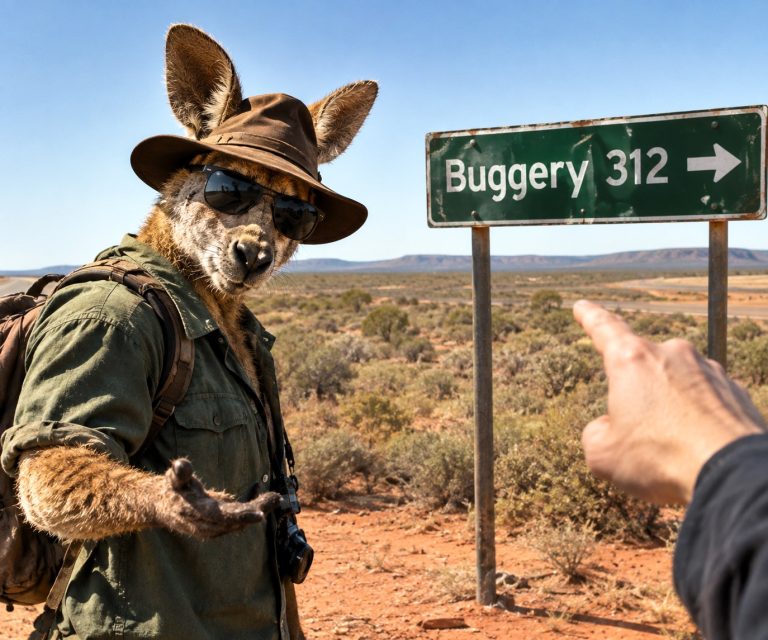
    In Strine, “buggery” has two everyday senses that have almost nothing to do with the word’s literal legal meaning (anal intercourse) elsewhere in the English-speaking world: 1) a fictitious, faraway place, roughly equivalent to “the middle of nowhere” or “hell”; 2) an impolite but mild way of telling someone to go away: “go to buggery.” オージー英語では、”buggery” には日常的な二つの意味があり、他の英語圏で使われる本来の法律用語(男色行為)とはほぼ無関係になっている。①「どこか架空の遠い場所」で、”the middle of nowhere”(何もない場所)や”hell”(地獄)に近いニュアンス。②相手に「消えろ」と言う、やや無礼だが軽い言い方、、、”go to buggery.” Example “He can go to buggery for all I care.” (もう知ったこっちゃない、あいつなんて消えちまえばいい。) Scale of Roo-dness: 🦘🦘 Moderate When Aussies Use It Among friends, family, and even on daytime television — Australia’s ABC ran a comedy panel show literally titled Club Buggery in the 1990s, which is a fair sign…