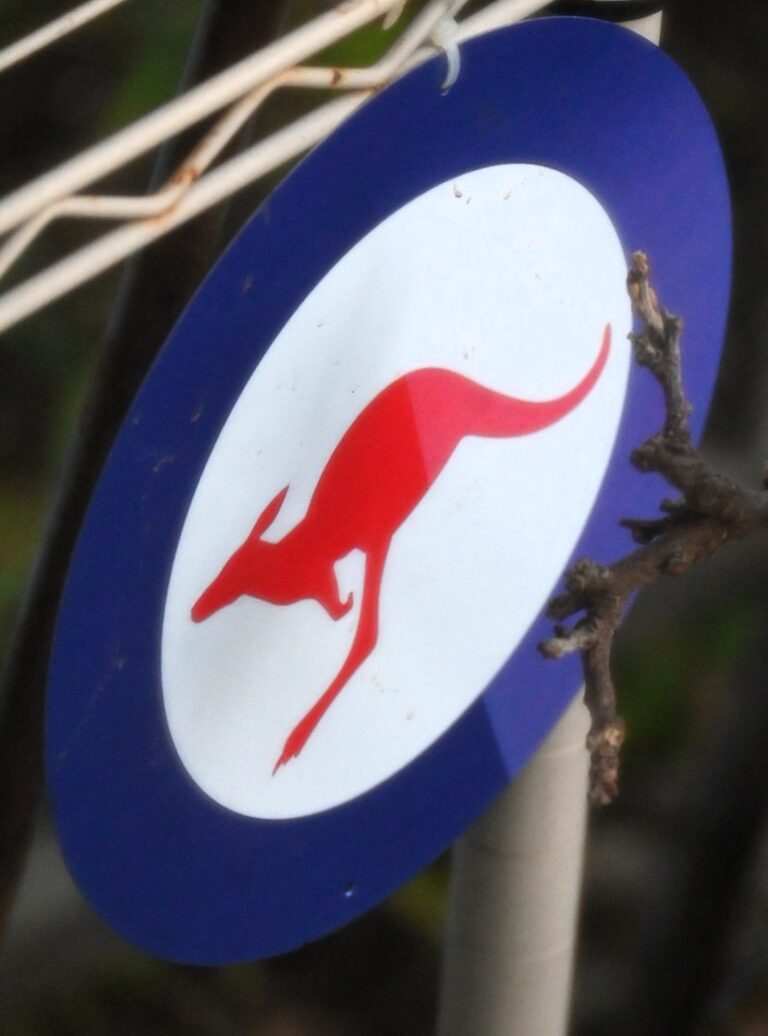
Op shop/中古品店

Op shop
Australian English
A second-hand store where the proceeds of sales are often donated to charity. An abbreviation of “opportunity shop,” with the name coming from the chance its beneficiaries get to lead a regular lifestyle.

日本語
中古品店・リサイクル店のことが、ほとんどの場合、運営及び売上がチャリティーのために行っている。Op shopは、opportunity shopの省略だ。直訳すると「機会の店」だ。由来は、お店の売り上げによって、苦しんでいる人々が普通に生活できる「チャンス」が与えられる。

Plain English
Thrift store.

豪日米
“I’m donating my old clothes to the op shop to help the poor.”「貧しい人々を手伝うため、古着をリサイクル店に寄付するんだ。」“I’m donating my old clothes to the thrift store to help the poor.”
You can pick up cheap, high quality goods at the op shop.中古品店では、安くていいものを手に入れられる。You can pick up cheap, high quality goods at the thrift store.

Strine Dictionary

Cop A Gander At These Rippers Too...

  • ディンゴが見ればあなたはどこへGO?

    Where Will You Go If You See A Dingo? Stretch a fence from the Queensland coast to the cliffs of South Australia and you have the Dingo Fence. At roughly 5,600 kilometers, one of the longest structures ever built by humans, longer than the distance from Tokyo to Jakarta. Its entire job is to keep one animal out: the dingo. 考えRoo が最後にディンゴを見たのは、ディンゴフェンスに沿って南オーストラリアの荒野を自転車で走っていたときだった。 遠くの丘の上で、じっとこちらを見つめる一匹の犬。オオカミでもなく、普通の犬でもない。 それがディンゴだった。 What’s a dingo? The dingo (Canis familiaris, sometimes classified separately) is Australia’s wild dog, believed to have arrived with seafarers from Asia around 3,500–5,000 years ago. It is now the continent’s largest land predator, feared by sheep farmers and protected as a native species in national…

  • | |

    オーストラリアが日本を支援している

     豪政府は、東日本大震災の支援事業をたくさん行っている。  詳細および協力方法などは豪政府が開設したホームページへ。  がんばれニッポン!オーストラリアが応援しているよ! Aussies looking to help out Japan following the Tohoku earthquake, tsunami and nuclear disaster can find ways through a newly established Australian Government website “Australians Helping Japan.” Let’s help this great country and great, long-time friend of the land Down Under to get back on its feet. 参考 Australians Helping Japan

  • 豪先住民が数万年前から使っている「手話」

    English is now Australia’s most commonly used language, but there are also still dozens of indigenous Australian languages that are native tongues for many people living Down Under.  今では英語がオーストラリアで最も使われている言語であるが、同国では数十ある先住民言語の一つが母国語である人が多数いる。 And many indigenous Australian languages have for tens of thousands of years used sign language as well, the most famous example being that used in the Warlpiri language used in the remote central Australian desert, centering on the community of Yuendumu.  面白いことに、この先住民言語の中、多くが何万年前から「手話」が使われている言語が多い。恐らくその最も有名な例がオーストラリア中央部砂漠地帯内イウエンドゥムで使われているワールピリ語だ。 Including the Warlpiri, these sign languages are often the result of taboo practices, where custom forbids certain members of tribes speaking to other members. The sign languages developed as an alternative to verbal communication.  ワールピリ語を含めて、このような手話が使われるようになったのが「タブー」がある。言葉遣いが部族内の人間関係によって変わると同じだけでなく、関係によって実際に口頭で言葉を交わすことさえ禁じられた。その場合、コミュニケーションが手話で行なった。 Many Warlpiri speakers and…

  • |

    豪キャブラリー: Drongo

    Drongoは典型的なオージー英語だ。一昔前までよく使われた言葉だったがこの数十年間イギリスやアメリカ英語などの普及により死語に近いような形になっている。おっちょこちょい見たいな軽い意味の小馬鹿したことをやった人に対して使う言葉だ。ちょっと可愛いイメージを与えてくれる、特に軽蔑する言い方がほぼ普通となっている今では。

  • |

    豪キャブラリー: Lob

    テニスをやる時に相手がネットの近くにいるいながら自分が相手の頭の上に高く叩いてコートの奥まで狙ってうつとロブショットを言うよね。 オージー英語ではこれの意味がある上に事前連絡なしで人のところなどをいきなり遊ぶの遊びに行くや訪問するなどは同じくlobを言う。Lob shotとlobが両方とも相手を驚かす行動であるからlobの由来となった。  昔テニス大国だったオーストラリアのスポーツからの言語への貢献の例のひとつだ。