Wings of Desire

At Mrs. Kangaeroo’s whim, we headed off to the nearby U.S. Air Force Yokota Air Base to “enjoy” its Friendship Festival where it opens its gates to the general public and gives them a glimpse of what goes on behind its barbed wire. The huge crowds reminded me of how much so many Japanese adore the United States.

It was my first visit to the Friendship Festival almost 30 years and things have changed significantly.

We needed to line up for more than an hour in a queue more than a kilometer long to get in, then spent another hour in a massive crowd as we lined up to get out.

In-between, we had fun looking at the aircraft (including a controversial Osprey and stealth fighters, which came as a surprise), buying foods and listening to music. As has been my general experience with the U.S. military in Japan, people were polite, friendly, courteous and respectful and we did have a fun time!

Cop A Gander At These Rippers Too...

  • |

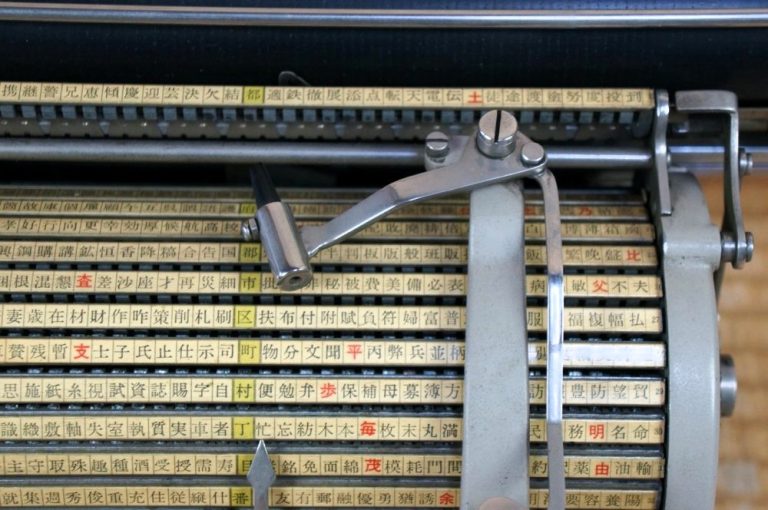
    How Did A Japanese Typewriter Become A Piece Of Australia–Japan History?

    なぜ一台の日本語タイプライターが、日豪関係の歴史になったのでしょうか? The machine nobody else could use 誰にも使えなかったタイプライター In 1963, Akiko Kirkham began working at the University of Queensland. There was something unusual about her job: she was the only person there who could operate its Japanese typewriter. 1963年、Akiko Kirkhamさんはクイーンズランド大学で働き始めました。彼女の仕事には、ちょっと変わった特徴がありました。和文タイプライターをタイプライターを操作できるのが、彼女だけだったのです。 A war bride in Brisbane ブリスベンに渡った日本人女性 Akiko had worked as a typist in Japan after the war. She later married an Australian serviceman and came to Australia as a Japanese war bride. More than 650 Japanese women eventually migrated to Australia as wives or fiancées of Australian servicemen between the end of the war and 1965. Akikoさんは戦後の日本でタイピストとして働いていました。その後、オーストラリア軍人と結婚し、「日本人戦争花嫁」としてオーストラリアへ渡りました。戦後から1965年までに、650人を超える日本人女性が豪州軍人の妻や婚約者として移住しました。 A complicated beginning 簡単ではなかった出発点 Their arrival was far from straightforward. Australian servicemen had…

  • Fantastic Flowers!

    Blessed with great company, brilliant sunshine and time, Kangaeroo got to enjoy the unexpected pleasure of HANA BIYORI. HANA BIYORI is a new type of botanical garden that forms part of the sprawling entertainment complex centered around Yomiuriland in the Tokyo suburb of Inagi. HANA BIYORI was a delight simply to see all the vibrant spring flowers in bloom in a pretty park with lots of greenery, water and the occasional spectacular view. The site also has a magnificent projection mapping show on the half-hour every hour during operation. Also on site are stores with some interesting house plants on sale (mostly beautiful but overpriced), a Starbucks coffee shop that…

  • Getting Help

    Kangaeroo needs help. Unfortunately, the kind of help that’s needed is an inside job so, despite being surrounded by helpful and supportive people, the only answer is to keep plugging away. Bleak, wet, drizzly weather is not helping the situation, but it’s something that can’t be controlled. Acceptance is the key. Kangaeroo spent 13 months in a psychiatric institution, received weekly treatment there for a further five years and continues to undergo periodic check-ups and will probably do so until the end of days, if lucky enough. Kangaeroo is a multiple suicide failure and recovering drug and alcohol addict. So far, clean and sober for over 11 years. The garden…

  • Dino Might!

    Perhaps not surprisingly in a land ruled by middle-aged and elderly blokes and the fax still a crucial communication tool, mightily impressive dinosaurs have taken over a part of Japan not far from Tokyo. And despite being equipped with apparently razor-sharp fangs, the dinosaurs in question are actually toothless. They’re part of an amazing display at the Izu Granpal Amusement Park. The park is located in Izukogen, a town about 100 km southwest of central Tokyo. And the dinosaurs are part of an illumination display presented with a Cool Japan Matching Award. Both the dinosaurs and the illumination display were absolutely fabulous! In clear weather, it’s also possible to ride…

  • Tour de Kagoshima-Kyoto Day 10: Nara to Kyoto

    Our tour has reached Kyoto, remarkably with only minor injuries and not a single puncture in the more than 11,000 kilometers the cyclists covered collectively since setting out from Izumi, Kagoshima Prefecture, on the morning of October 1. The group battled a barrage of rain on the most prominent of climbs on Mount Aso and Koyasan, but got through unscathed each time. The tour drew to a close in a journey between the two ancient capitals of Nara, where participants frolicked with the deer roaming freely through the city and saw its lauded Great Buddha at Todaiji, and Kyoto, where the group lunched at Inari Taisha Jinja. Only a farewell…

  • | |

    How Did Australians Help Transform The Quiet Japanese Ski Town Of Niseko?

    オーストラリア人はどのように静かなスキーの町・ニセコを変えたのか? That began to change when Australian skiers started returning home with stories of dry, light snow, uncrowded slopes and a long ski season. Word spread quickly. Friends recommended Niseko to friends, ski clubs organised group trips, and specialist travel companies began offering packages to Hokkaido. In the early 1990s, Niseko was already known among Japanese skiers for its deep powder snow. Yet outside Japan, few people had heard of the small Hokkaido resort. But Australians did more than visit. Many chose to stay. 1990年代初め、ニセコは日本のスキーヤーにはすでによく知られた存在でした。しかし海外では、その名を知る人はほとんどいませんでした。 状況が変わり始めたのは、ニセコを訪れたオーストラリア人スキーヤーが、軽く乾いたパウダースノーや混雑の少ないゲレンデ、長いシーズンの魅力を帰国後に語り始めたことでした。 口コミによって評判は広がり、スキークラブがツアーを企画し、旅行会社も北海道へのスキー旅行を販売するようになりました。 しかし、多くのオーストラリア人は観光客として訪れるだけではありませんでした。 More Than Tourists As visitor numbers grew, Australians saw opportunities beyond skiing. Some opened cafés serving familiar breakfasts and good coffee. Others…